

 English
  中文简体
中文简体  русский
  Español
  عربى
عربى 
Distributed Photovoltaic Power Station Challenges
Distributed photovoltaic power stations have moved from pilot projects to widely deployed energy assets across residential, commercial, and industrial settings. Grid integration, system reliability, and economic operation are three closely connected areas shaping how distributed photovoltaic power stations are planned and managed today.
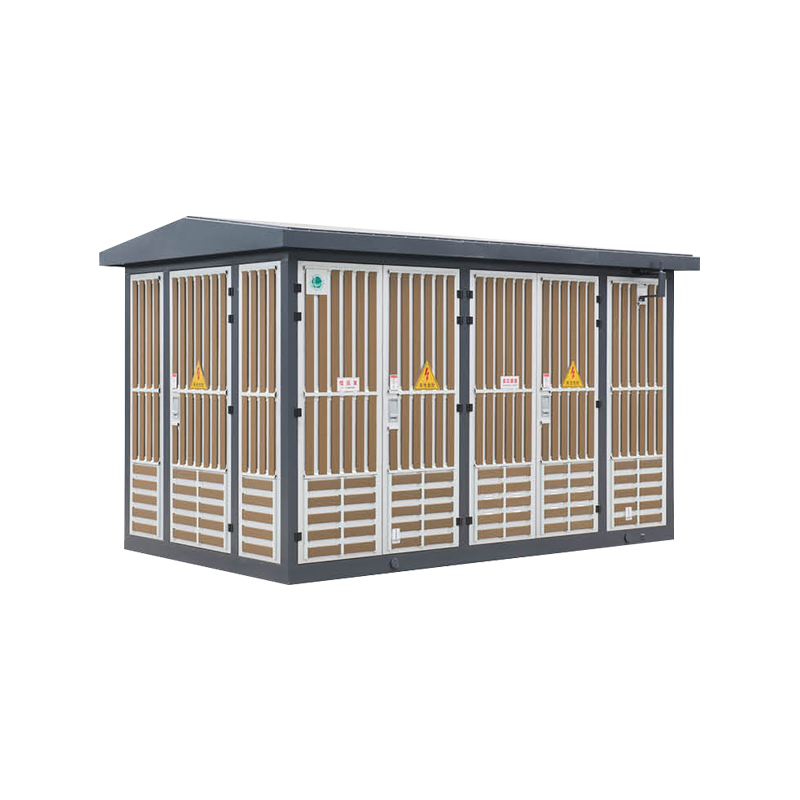
One of the most discussed challenges is grid connection and stability. Distributed photovoltaic power stations are usually connected to low- or medium-voltage distribution networks that were not originally designed for two-way power flow. When a large number of rooftop or on-site systems feed electricity back into the grid, voltage fluctuations and reverse power flow can occur. In some regions, distribution feeders reach hosting capacity limits when photovoltaic penetration exceeds 20–30% of peak load. This requires upgrades such as smart inverters, on-load tap changers, and real-time monitoring systems. Smart inverters, for example, are increasingly required to support voltage regulation and reactive power control, thereby helping to reduce grid stress without necessitating major infrastructure expansion.
A second major focus is system monitoring and operational management. Unlike centralized solar plants, distributed photovoltaic power stations are geographically scattered and often owned by multiple stakeholders. This makes unified operation and maintenance more complex. Industry data shows that unmonitored distributed systems can experience energy losses of 5–10% annually due to inverter faults, soiling, or communication failures. As a response, digital platforms that combine data acquisition, fault diagnosis, and performance analysis are being adopted. Advanced monitoring allows operators to detect abnormal output, schedule maintenance more efficiently, and improve overall system availability. These tools also support compliance with grid requirements related to visibility and controllability.
The third challenge lies in economic performance and integration with energy storage. Distributed photovoltaic power stations commonly operate under self-consumption models, with surplus electricity exported to the grid. Changes in electricity tariffs and grid policies can significantly affect project returns. In many markets, daytime electricity prices have declined due to high solar output, reducing the value of exported power. This has accelerated interest in pairing distributed photovoltaic power stations with battery energy storage systems. Storage can increase on-site consumption rates from around 60% to over 80% in commercial applications, according to industry estimates. However, storage adds upfront cost and requires careful sizing and control strategies to ensure economic viability.
From an industrial perspective, these challenges are driving closer collaboration between equipment manufacturers, software providers, utilities, and project developers. Standards for inverter interoperability, communication protocols, and safety management are being refined to support large-scale deployment. At the same time, training and certification for installation and maintenance personnel are gaining attention, as system quality directly affects long-term performance.
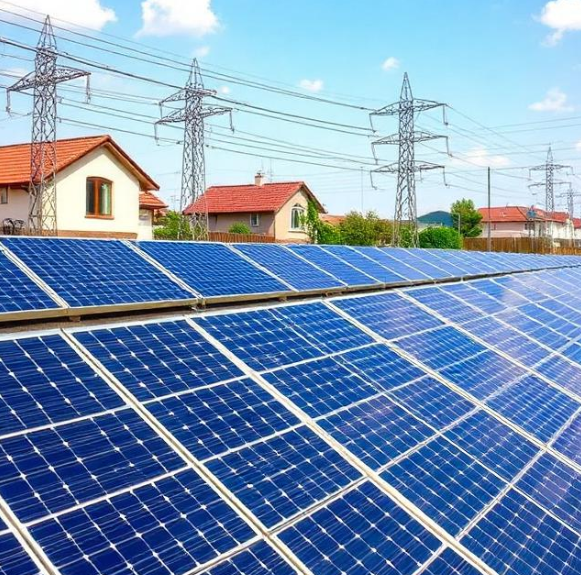
Overall, the technical and industrial challenges surrounding distributed photovoltaic power stations highlight the need for coordinated solutions rather than isolated improvements. Grid-friendly technologies, digital management tools, and flexible system designs are shaping how these projects operate within modern power systems.
FAQ
What is the main technical challenge for distributed photovoltaic power stations?
Grid integration is a key challenge, especially managing voltage stability and reverse power flow in distribution networks.
Why is monitoring important for distributed photovoltaic systems?
Monitoring helps identify faults, reduce energy losses, and maintain stable operation across many decentralized installations.
How does energy storage support distributed photovoltaic power stations?
Energy storage increases on-site electricity use, reduces dependence on grid export prices, and improves operational flexibility.
Do distributed photovoltaic power stations require special inverters?
Many grid operators require smart inverters that can provide voltage regulation, reactive power control, and communication functions.
Next
Photovoltaic Module Performance Characteristics
<p><strong><a href="https://www.hp-electric.com/">Photovoltaic modules&l...
View More


- PRODUCTS
- New Energy Power Distribution Equipment
- Box Type Substation
- Cable Branch Box/Switch Station
- High Voltage Switchgear
- Low Voltage Switchgear
- Engineering Vacuum Circuit Breaker
- New Energy Vehicle Floor Charging Pile
- Commercial Energy Storage
- Photovoltaic Complete Box
- High Voltage Arrester
- INFORMATION
-
-
Phone+86-13868788848
+86-13356188725 -
Tel+86-0577-88810567
-
E-mail
-
AddNo. 59, Youyi Road, Xinguang Industrial Zone, Liushi Town, Yueqing City, Zhejiang, China
-
- ENQUIRE WITH US
Photovoltaic Module Manufacturer

