

 English
  中文简体
中文简体  русский
  Español
  عربى
عربى 
Can Mobile Charging Piles Meet Temporary EV Demand?
A Mobile Energy Storage Charging Pile provides adaptable electric vehicle charging in locations where permanent infrastructure is limited, unavailable, or temporarily insufficient. By integrating battery storage, power conversion equipment, and mobile platforms, these systems support short-term or location-specific charging demand without requiring fixed grid connections.
Event venues, temporary parking areas, and logistics hubs often experience concentrated charging demand over limited timeframes. For example, exhibitions, sporting events, and seasonal transport centers may require temporary charging support for service vehicles and visitor fleets. Mobile charging piles with battery capacities ranging from 250 kWh to 900 kWh can support multiple charging sessions per day, depending on output configuration and vehicle battery size. Field operation records indicate daily support for approximately 12 to 45 vehicles, with individual charging sessions typically lasting between 30 and 90 minutes.
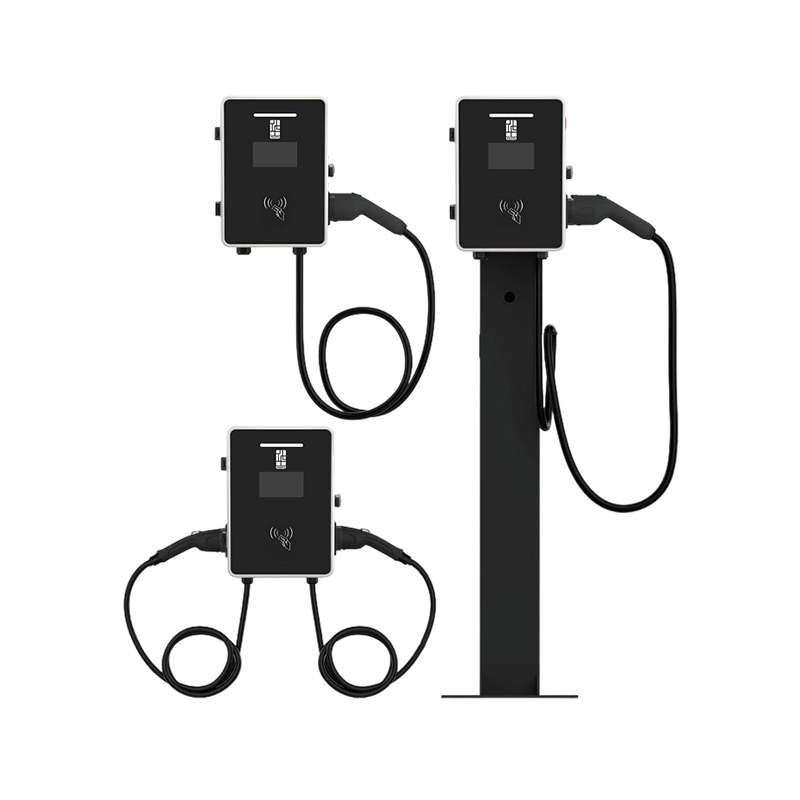
Emergency deployment is another important application scenario. During grid interruptions caused by severe weather or infrastructure maintenance, mobile charging piles can be dispatched to support emergency vehicles, municipal fleets, and logistics operations. Many systems can be transported and become operational within several hours of arrival, depending on site access and safety checks. Charging power levels commonly range from 30 kW to 150 kW, allowing operators to balance charging duration, battery discharge rates, and total energy availability.
Core system components typically include:
- Integrated lithium-based energy storage modules
- Power conversion and charging control units
- Thermal management systems supporting battery stability
- Data interfaces for operational monitoring and usage analysis
Thermal regulation plays a key role in maintaining stable battery performance. During repeated charge and discharge cycles, internal temperature control systems help maintain efficiency and reduce performance variation. Performance evaluations indicate that battery efficiency remains consistent across several hundred operational cycles when thermal conditions are maintained within defined operating ranges.
Mobility design allows charging units to be repositioned as demand patterns change. Units are often mounted on trailers or skid frames compatible with standard transport equipment. In urban trials and commercial pilot programs, relocation frequency averages two to three times per month, reflecting changing usage density and service requirements.
Data monitoring systems are increasingly integrated into mobile charging piles. These systems record energy throughput, charging duration, battery state, and system status. Over a typical operating month, recorded data may include hundreds of charging sessions, enabling operators to plan recharge schedules, manage battery usage, and determine suitable deployment locations.
From an operational perspective, mobile energy storage charging piles also support staged infrastructure development. In developing areas or newly planned districts, they provide interim charging capacity before permanent stations are installed. This staged approach helps manage early demand without long-term construction commitments.
In conclusion, the Mobile Energy Storage Charging Pile supports flexible charging demand through transportable design, integrated energy storage, and adaptable deployment across temporary, urban, and emergency scenarios. Its ability to respond to variable demand makes it a practical component of evolving electric vehicle support systems.
FAQs
How many vehicles can be charged daily?
Depending on battery capacity and charging power, typically 10 to 45 vehicles.
Do mobile charging piles require grid access?
They can operate independently and recharge when grid access is available.
Are these systems suitable for city use?
Yes, mobility supports flexible deployment in urban environments.
How are charging sessions monitored?
Integrated data systems track energy usage, session duration, and battery status.
Next
Vacuum Circuit Breaker Applications in Medium-Voltage Systems
<p>The <strong style="font-weight: bold;"><a href="/product/engineerin...
View More


- PRODUCTS
- New Energy Power Distribution Equipment
- Box Type Substation
- Cable Branch Box/Switch Station
- High Voltage Switchgear
- Low Voltage Switchgear
- Engineering Vacuum Circuit Breaker
- New Energy Vehicle Floor Charging Pile
- Commercial Energy Storage
- Photovoltaic Complete Box
- High Voltage Arrester
- INFORMATION
-
-
Phone+86-13868788848
+86-13356188725 -
Tel+86-0577-88810567
-
E-mail
-
AddNo. 59, Youyi Road, Xinguang Industrial Zone, Liushi Town, Yueqing City, Zhejiang, China
-
- ENQUIRE WITH US
Photovoltaic Module Manufacturer

