

 English
  中文简体
中文简体  русский
  Español
  عربى
عربى 
AC Low Voltage Distribution Cabinet: The Cabinet That Splits the Power and Protects the Circuits
Electricity enters a building at the service entrance. It has to be split into circuits, protected against faults, and distributed to the loads. An AC low voltage distribution cabinet does this. The cabinet houses the breakers, the busbars, the meters, and the terminals. It takes the incoming power and distributes it to the lights, the outlets, the motors, and the equipment. For buildings, factories, and infrastructure, the distribution cabinet is the point where the power becomes useful.
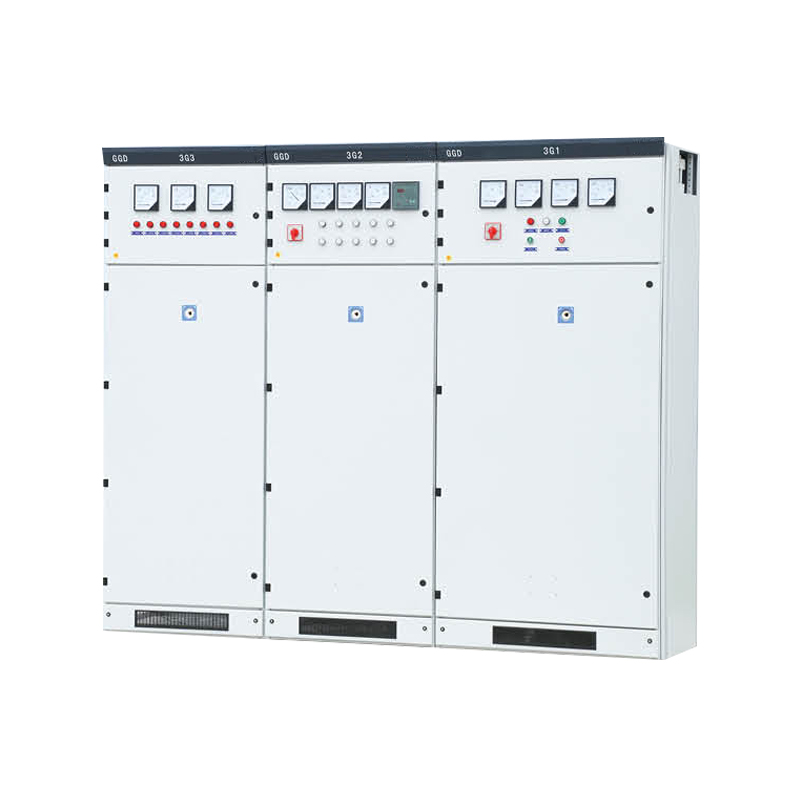
The Busbars That Carry the Current
The busbars are the backbone. They run through the cabinet, carrying the incoming current to the breakers. Copper or aluminum, sized to the rated current. An AC low voltage distribution cabinet with a properly sized busbar system carries the full load without overheating.
The busbar supports and the insulation keep the phases separated. The clearance between the phases and to the grounded frame has to meet the standard. An AC low voltage distribution cabinet with proper phase separation prevents the flashover.
The incoming cable connects to the main breaker or the main lugs. The connection has to be tight and accessible. An AC low voltage distribution cabinet with a properly designed incoming section makes the installation clean.
The Breakers That Protect the Circuits
The breakers are the protection. Each outgoing circuit has a breaker sized to the circuit's load. The breaker trips on overload or short circuit. An AC low voltage distribution cabinet with properly sized breakers protects the wiring and the equipment.
The breaker layout is the cabinet's design. The breakers are arranged in rows, each one labeled. An AC low voltage distribution cabinet with a clear breaker layout makes the operation and the maintenance straightforward.
The residual current devices, where required, protect against the earth leakage. An AC low voltage distribution cabinet with the RCDs integrated protects the people as well as the circuits.
The Enclosure and the Access
The cabinet is steel, with a hinged door and a lock. The enclosure protects the live parts and the operator. An AC low voltage distribution cabinet with a properly built enclosure keeps the live parts behind the door.
The cable entry is at the bottom or the top. The cables enter through glands or knockouts. An AC low voltage distribution cabinet with properly sized cable entries keeps the wiring tidy.
The labels identify the circuits. The breaker for the lights, the breaker for the outlets, the breaker for the motor. An AC low voltage distribution cabinet with clear labels saves time when the breaker trips.
Here is what an AC low voltage distribution cabinet needs to deliver:
- Copper or aluminum busbars sized to the load
- Phase separation meeting the standard
- Breakers sized to each circuit
- Clear breaker layout and labels
- Steel enclosure with a lockable door
- Cable entry sized for the installation
The Building and the Factory
The commercial building uses the distribution cabinet to feed the floors and the tenants. The power comes in at the service entrance, the cabinet splits it, and the circuits feed the loads. An AC low voltage distribution cabinet in the building's electrical room is the heart of the power system.
The factory uses the distribution cabinet for the machine supply. The motors, the conveyors, the lighting, each has its circuit. An AC low voltage distribution cabinet on the factory floor feeds the production line.
The infrastructure project uses the distribution cabinet for the pumps, the fans, the controls. The cabinet sits in the control room, distributing the power to the equipment. An AC low voltage distribution cabinet in the pump station keeps the water moving.
The Busbar That Overheats
The busbar overheats because it was undersized or the connections were loose. A properly sized busbar with tight connections handles the load. The breaker trips because it was undersized for the circuit. A properly sized breaker holds. The enclosure door does not close because the wiring was not dressed. Proper wiring management solves it.
An AC low voltage distribution cabinet is the point where the power becomes circuits. The busbars carry the current. The breakers protect the circuits. The enclosure protects the operator. Choose a cabinet with a proper busbar, properly sized breakers, and a clear layout. The power will flow and the circuits will stay protected. That is the point. That is what the distribution cabinet is for.
Next
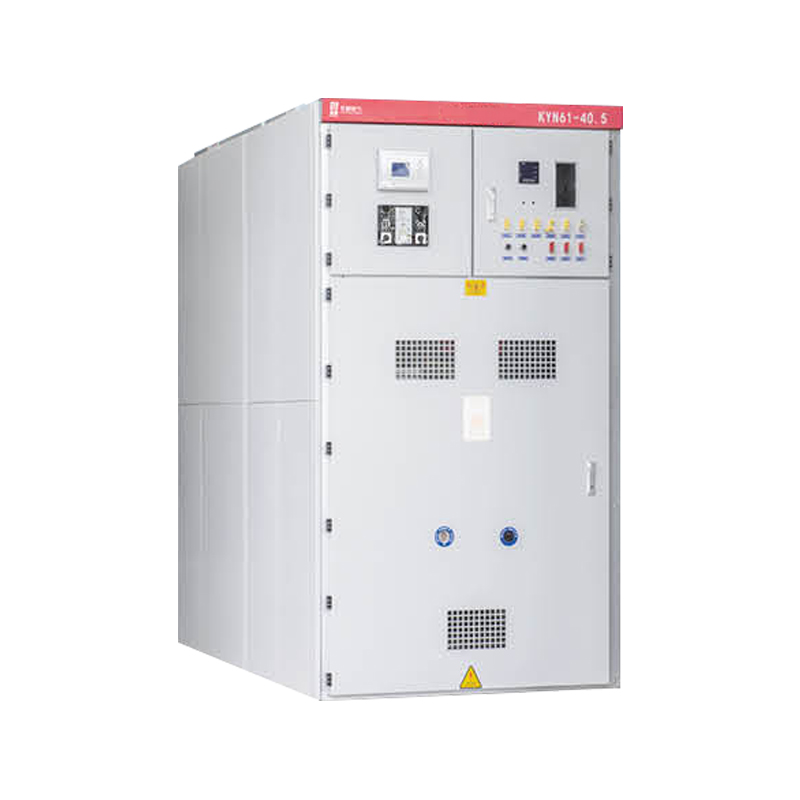
Removable AC Metal Enclosed Switchgear: The Switchgear That Pulls Out for Service
<p>Switchgear controls and protects the electrical circuit. Most switchgear is fixed in place....
View More


- PRODUCTS
- New Energy Power Distribution Equipment
- Box Type Substation
- Cable Branch Box/Switch Station
- High Voltage Switchgear
- Low Voltage Switchgear
- Engineering Vacuum Circuit Breaker
- New Energy Vehicle Floor Charging Pile
- Commercial Energy Storage
- Photovoltaic Complete Box
- High Voltage Arrester
- INFORMATION
-
-
Phone+86-13868788848
+86-13356188725 -
Tel+86-0577-88810567
-
E-mail
-
AddNo. 59, Youyi Road, Xinguang Industrial Zone, Liushi Town, Yueqing City, Zhejiang, China
-
- ENQUIRE WITH US
Photovoltaic Module Manufacturer

