

 English
 中文简体
 русский
 Español
 عربى

Outdoor Rust Proof 10kV Cable Branch Box Factory: The Enclosure That Keeps Medium Voltage Dry
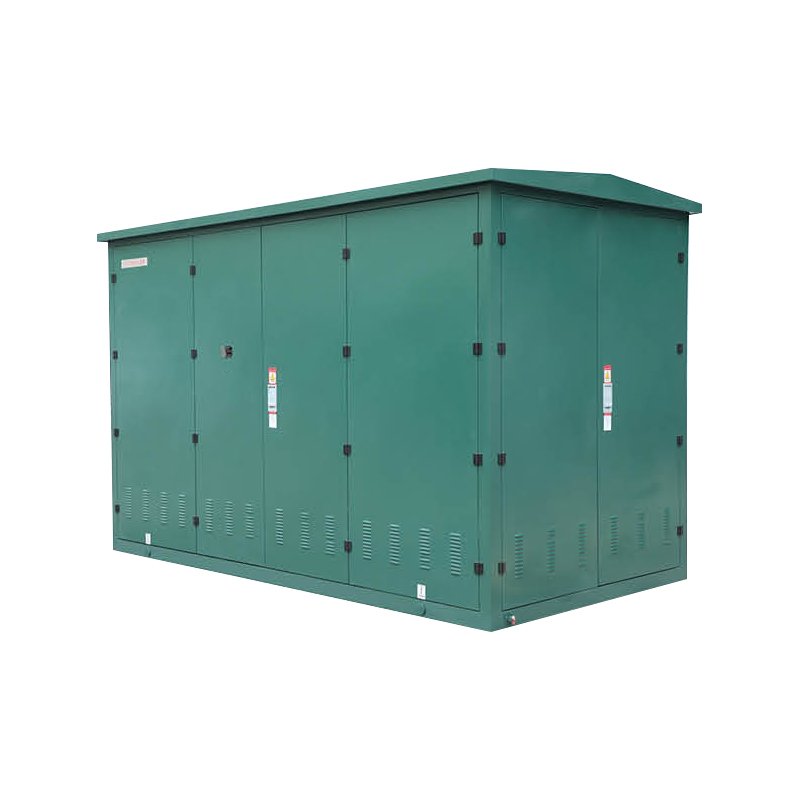
A 10kV cable branch box sits at the junction where one underground cable splits into several. It lives outdoors, on the street corner, in the industrial park, outside the substation. The rain hits it. The dust settles on it. The morning dew forms inside if the seal fails. An outdoor rust proof 10kV cable branch box factory builds the enclosure that keeps the medium voltage dry and protected, and the factory that gets the rust proof construction right is the factory whose box is still in service after ten years.
The Stainless or the Coated Steel
The carbon steel box starts rusting at the welds and the bolt holes within a year in the coastal or the humid environment. The rust spreads, the enclosure weakens, and the water enters. The outdoor rust proof 10kV cable branch box factory uses the 304 stainless steel or the galvanized steel with the thick powder coat. The stainless resists the salt air, the acid rain, and the industrial pollutants. The box looks the same after the decade as the day it was installed.
The welds are the weak point. The factory grinds and passivates the welds so they match the corrosion resistance of the base metal. The raw weld rusts first. The door hinges, the locking mechanism, and the mounting brackets get the same rust proof treatment.
The Sealing
The box has to keep the water out. The rain, the condensation, and the flooding from the burst pipe. The factory designs the enclosure with the IP rating, typically the IP54 or the IP55, that certifies the protection against the dust and the water spray.
The door seal is the critical component. The continuous gasket around the door opening compresses when the door closes. The factory uses the EPDM or the silicone gasket that stays flexible through the heat, the cold, and the UV. The gasket that hardens or cracks lets the water in.
The cable entries are the other leak path. The cables enter through the bottom of the box. The factory seals the entries with the cable glands or the grommets sized to the cable diameter. The bottom entry prevents the water from running down the cable into the box.
The Busbars and the Insulation
The 10kV is the medium voltage. The busbars carry the current between the incoming cable and the outgoing branches. The factory designs the busbar layout with the proper clearance and the creepage distances between the phases and to the ground.
The busbars are the copper, sized to the rated current, and supported on the insulators. The factory uses the epoxy or the porcelain insulators rated for the voltage and the environmental conditions.
Here is what an outdoor rust proof 10kV cable branch box factory has to deliver:
- 304 stainless or the rust-proof coated steel enclosure
- Passivated welds and the rust-proof hardware
- IP54 or the IP55 sealing with the compression gaskets
- Bottom cable entries with the sealed glands
- Copper busbars with the proper phase clearance
- Insulators rated for the 10kV service
Where the Box Works
The urban utility network uses the branch box at the cable junctions underground. The box sits on the pad or the pole. The industrial park uses it to split the power between the buildings. The coastal area and the island use the 316 stainless or the marine-grade coating.
The Door That Leaks and the Weld That Rusts
The door seal fails and the water gets in. The condensation forms on the busbars and the phase-to-ground fault trips the feeder. The factory that tests the enclosure for the water ingress before the shipping prevents it. The welds rust at the corners because the passivation was skipped. The box looks bad and eventually leaks.
An outdoor rust proof 10kV cable branch box factory builds the enclosure that keeps the medium voltage dry. The stainless resists. The seal protects. Choose a factory that passivates the welds and tests the sealing.
Next
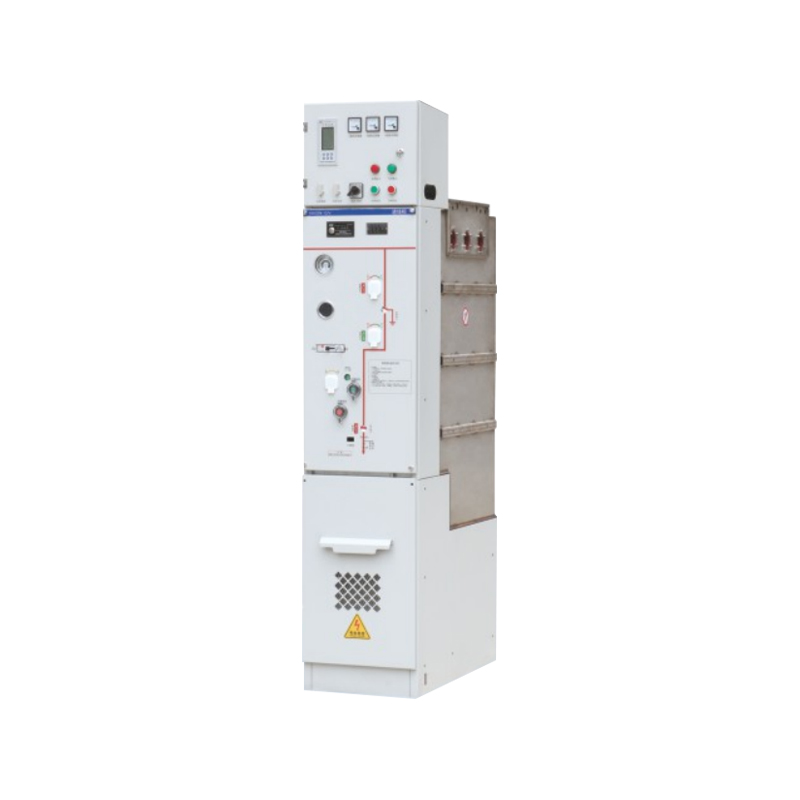
AC Low Voltage Distribution Cabinet: The Panel That Splits the Power and Protects the Circuits
<p>Power enters a building at the service entrance. It has to be split into circuits, protecte...
View More


- PRODUCTS
- New Energy Power Distribution Equipment
- Box Type Substation
- Cable Branch Box/Switch Station
- High Voltage Switchgear
- Low Voltage Switchgear
- Engineering Vacuum Circuit Breaker
- New Energy Vehicle Floor Charging Pile
- Commercial Energy Storage
- Photovoltaic Complete Box
- High Voltage Arrester
- INFORMATION
-
-
Phone+86-13868788848
+86-13356188725 -
Tel+86-0577-88810567
-
E-mail
-
AddNo. 59, Youyi Road, Xinguang Industrial Zone, Liushi Town, Yueqing City, Zhejiang, China
-
- ENQUIRE WITH US
Photovoltaic Module Manufacturer

