

 English
 中文简体
 русский
 Español
 عربى

Outdoor Intelligent Switchgear: The Cabinet That Thinks Before It Trips
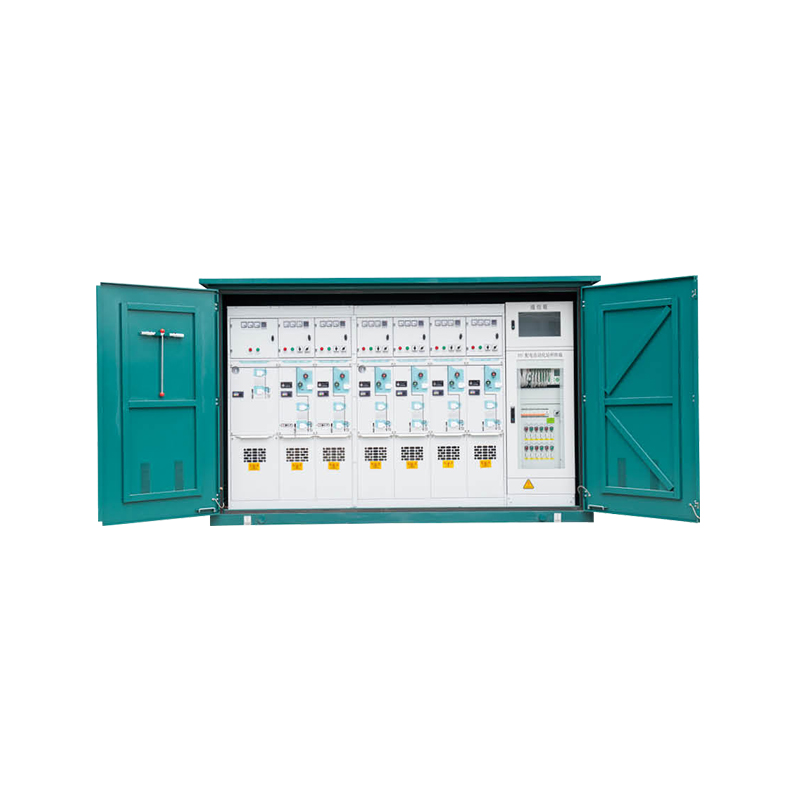
A fault hits the line. In a traditional outdoor switchgear, the breaker trips and the crew drives out to find the problem. In an intelligent unit, the switchgear senses the fault, isolates the affected section, and reports what happened before anyone leaves the depot. Outdoor intelligent switchgear puts the sensors, the protection, and the communication inside the weatherproof enclosure. The cabinet is no longer a passive box with breakers inside. It is a node on the grid.
The Sensors Are Built In, Not Bolted On
The intelligent switchgear carries the current and voltage sensors inside the enclosure. The current transformers and the voltage dividers are part of the design, not the afterthought. The temperature sensors sit on the busbar joints and the breaker contacts. The partial discharge sensors listen for the insulation breakdown.
The sensors feed the local controller. The controller reads the current and the voltage, calculates the power, and compares the values against the protection settings. The outdoor intelligent switchgear with the integrated sensors does the monitoring without the external devices.
The Protection Settings Are Programmed, Not Wired
The traditional switchgear uses the electromechanical relays and the hard-wired logic. The intelligent switchgear uses the microprocessor relay with the programmable settings. The overcurrent, the earth fault, the distance, the differential. The settings are entered through the software and stored in the relay.
The outdoor intelligent switchgear with the programmable relay changes the protection scheme without the rewiring. The utility that updates the coordination settings does it from the laptop at the substation or the office.
The Communication Goes to the Control Room
The switchgear reports the status, the measurements, and the events to the control room. The protocol is the IEC 61850, the DNP3, or the Modbus. The fiber or the cellular link carries the data. The operator sees the fault, the location, and the breaker status on the screen.
The outdoor intelligent switchgear with the standard protocol integrates into the existing SCADA. The utility does not send the crew to read the meter. The data arrives on its own.
Here is what outdoor intelligent switchgear has to deliver:
- Integrated current, voltage, and temperature sensors
- Microprocessor relay with the programmable protection settings
- Partial discharge monitoring for the insulation
- Communication over the IEC 61850, the DNP3, or the Modbus
- Weatherproof enclosure with the thermal management
- Local control and the remote control
- The Self-Healing and the Load Management
The intelligent switchgear can isolate the faulted section and restore the power to the healthy sections. The auto-reclosing restores the power after the transient fault. The load shedding drops the non-critical loads when the frequency drops.
The Fault That Takes the Crew All Night
The traditional switchgear trips and the crew drives out. The intelligent switchgear reports the fault and the location before the crew leaves. The difference is the hours. Each one is a design decision the utility makes at the specification stage.
An outdoor intelligent switchgear is the cabinet that thinks before it trips. The sensors monitor. The relay decides. The communication reports. Choose the unit with the integrated sensors and the standard protocol.
Next
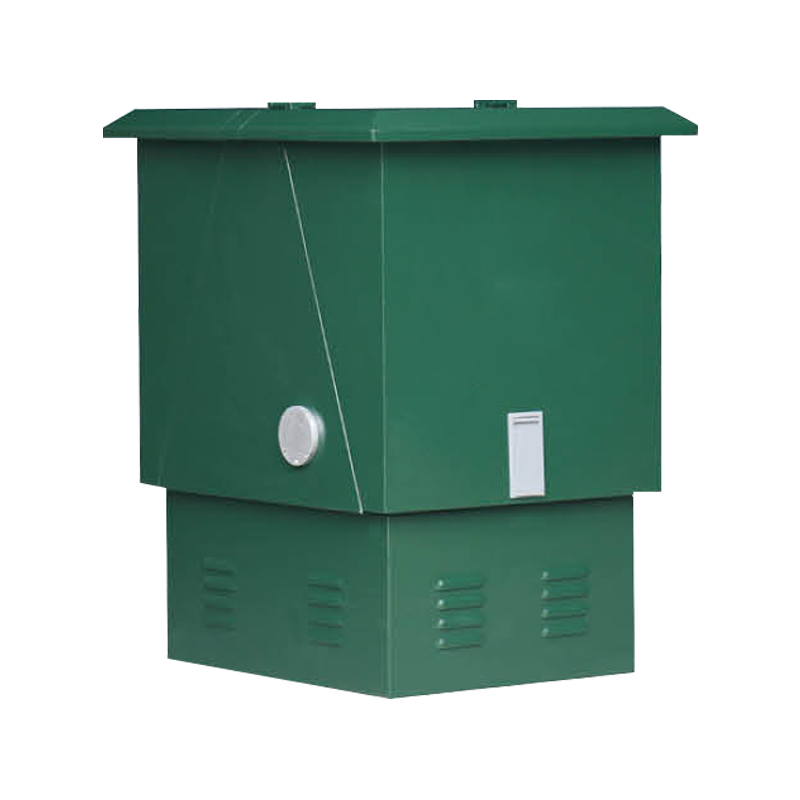
European Style Fully Insulated Ring Network Cable Branch Box: The Junction That Keeps the Ring Alive
<p>A ring network feeds power in a loop. If one section fails, the power flows the other way a...
View More


- PRODUCTS
- New Energy Power Distribution Equipment
- Box Type Substation
- Cable Branch Box/Switch Station
- High Voltage Switchgear
- Low Voltage Switchgear
- Engineering Vacuum Circuit Breaker
- New Energy Vehicle Floor Charging Pile
- Commercial Energy Storage
- Photovoltaic Complete Box
- High Voltage Arrester
- INFORMATION
-
-
Phone+86-13868788848
+86-13356188725 -
Tel+86-0577-88810567
-
E-mail
-
AddNo. 59, Youyi Road, Xinguang Industrial Zone, Liushi Town, Yueqing City, Zhejiang, China
-
- ENQUIRE WITH US
Photovoltaic Module Manufacturer

