

 English
  中文简体
中文简体  русский
  Español
  عربى
عربى 
Intelligent Monitoring High Voltage Cable Distribution Box: Smart Protection for Power Networks
High voltage cable distribution boxes are everywhere. They sit on concrete pads. They connect underground cables. They feed power to neighborhoods and factories. A traditional distribution box does one job. It distributes power. An intelligent monitoring high voltage cable distribution box does more. It monitors. It communicates. It protects.
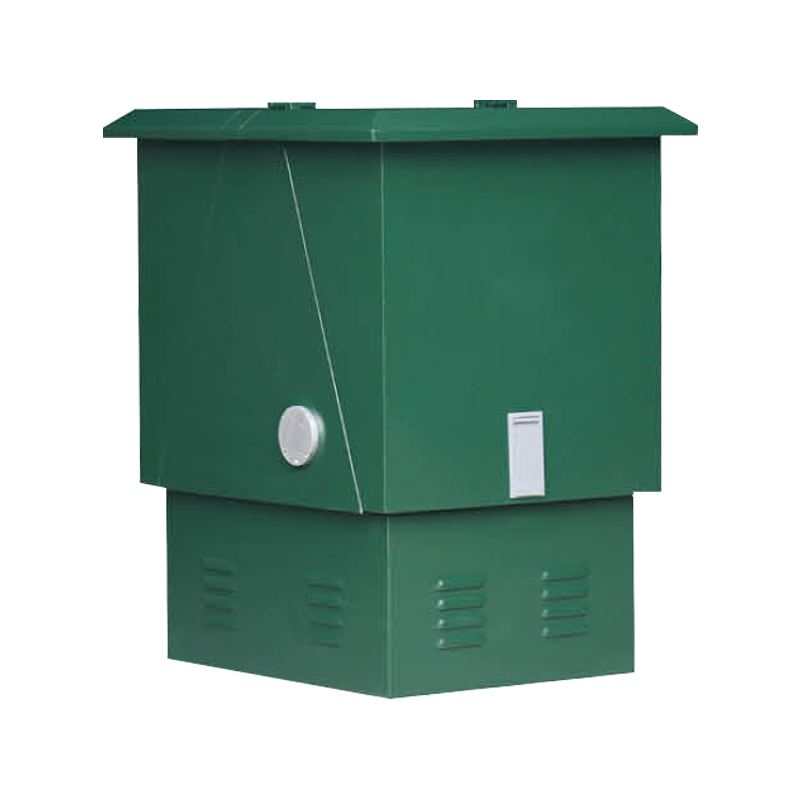
What an Intelligent Monitoring Distribution Box Does
A standard distribution box has bus bars and cables. Power goes in. Power goes out. That is it. An intelligent box has sensors. Current sensors. Temperature sensors. Partial discharge sensors. The sensors monitor the box continuously. They detect problems before they become failures.
The box communicates with a central system. It sends data. It receives commands. An intelligent monitoring high voltage cable distribution box is part of a smart grid. It improves reliability. It reduces outages.
How Intelligent Monitoring Works
Current sensors measure the load. They detect imbalances. Temperature sensors monitor the bus bars and cables. They detect overheating. Partial discharge sensors detect insulation breakdown. They identify problems early.
The sensors feed data to a local processor. The processor analyzes the data. It looks for anomalies. An intelligent monitoring high voltage cable distribution box can detect a problem before it causes an outage.
The box communicates with the control center. It sends alerts. It sends data logs. The control center can take action. They can dispatch a crew. They can reroute power. The outage is prevented.
Where Intelligent Monitoring Distribution Boxes Get Used
Utility companies use them in distribution networks. They monitor the grid. They improve reliability. An intelligent monitoring high voltage cable distribution box reduces outage times.
Industrial plants use them on their own power systems. They monitor critical loads. They prevent downtime. A failure in a high voltage cable can shut down a plant. Intelligent monitoring prevents that.
Data centers use them too. Power reliability is critical. An intelligent monitoring high voltage cable distribution box provides real-time data. The data center operators know the status of their power system.
Here is where intelligent monitoring makes a difference:
- Utility distribution networks — reduces outages
- Industrial plants — prevents downtime
- Data centers — ensures power reliability
- Renewable energy sites — monitors grid connection
What to Look for in an Intelligent Monitoring Distribution Box
Sensors are the heart of the system. Current sensors must be accurate. Temperature sensors must be reliable. Partial discharge sensors must be sensitive. An intelligent monitoring high voltage cable distribution box with quality sensors provides better data.
Communication is essential. The box must connect to the control center. Wired or wireless. Fiber optic or cellular. The communication system must be reliable.
The enclosure must be durable. The box sits outside. Rain, snow, and heat. An intelligent monitoring high voltage cable distribution box needs a weatherproof enclosure. IP65 or higher.
Here are the key features to check:
- Current monitoring — detects imbalances and overloads
- Temperature monitoring — prevents overheating
- Partial discharge monitoring — detects insulation breakdown
- Remote communication — sends data to control center
Why Intelligent Monitoring Matters
Outages cost money. They cost utility companies money. They cost industrial plants money. An intelligent monitoring high voltage cable distribution box reduces outages. It detects problems early. It prevents failures.
Safety improves. Intelligent monitoring reduces the risk of arc flashes. It detects problems before they become dangerous. Crews work safer.
Maintenance becomes proactive. Instead of fixing failures, utilities prevent them. An intelligent monitoring high voltage cable distribution box provides data for predictive maintenance.
A intelligent monitoring high voltage cable distribution box is a smart investment. It improves reliability. It reduces outages. It increases safety. Choose the right sensors. Choose reliable communication. Choose a durable enclosure. Your power system will be more reliable. Your customers will be happier. Your costs will be lower. That is what intelligent monitoring delivers. Smarter grids. Fewer outages. Safer operation. In power distribution, data is power. Intelligent monitoring provides the data. That is the difference.
Next
New Energy Storage Photovoltaic Cabin: Power Where the Grid Does Not Reach
<p>Remote job sites have a problem. No power lines. No grid connection. Running diesel generat...
View More


- PRODUCTS
- New Energy Power Distribution Equipment
- Box Type Substation
- Cable Branch Box/Switch Station
- High Voltage Switchgear
- Low Voltage Switchgear
- Engineering Vacuum Circuit Breaker
- New Energy Vehicle Floor Charging Pile
- Commercial Energy Storage
- Photovoltaic Complete Box
- High Voltage Arrester
- INFORMATION
-
-
Phone+86-13868788848
+86-13356188725 -
Tel+86-0577-88810567
-
E-mail
-
AddNo. 59, Youyi Road, Xinguang Industrial Zone, Liushi Town, Yueqing City, Zhejiang, China
-
- ENQUIRE WITH US
Photovoltaic Module Manufacturer

