

 English
  中文简体
中文简体  русский
  Español
  عربى
عربى 
Mobile Photovoltaic Cabin for Temporary Power Operations
Mobile Photovoltaic Cabin solutions are increasingly applied in temporary power operations where fixed grid access is unavailable or impractical. These systems combine photovoltaic modules, energy storage units, and power management components within transportable enclosures. Their use spans construction sites, emergency response areas, and short-term industrial installations requiring stable and independent electricity supply.
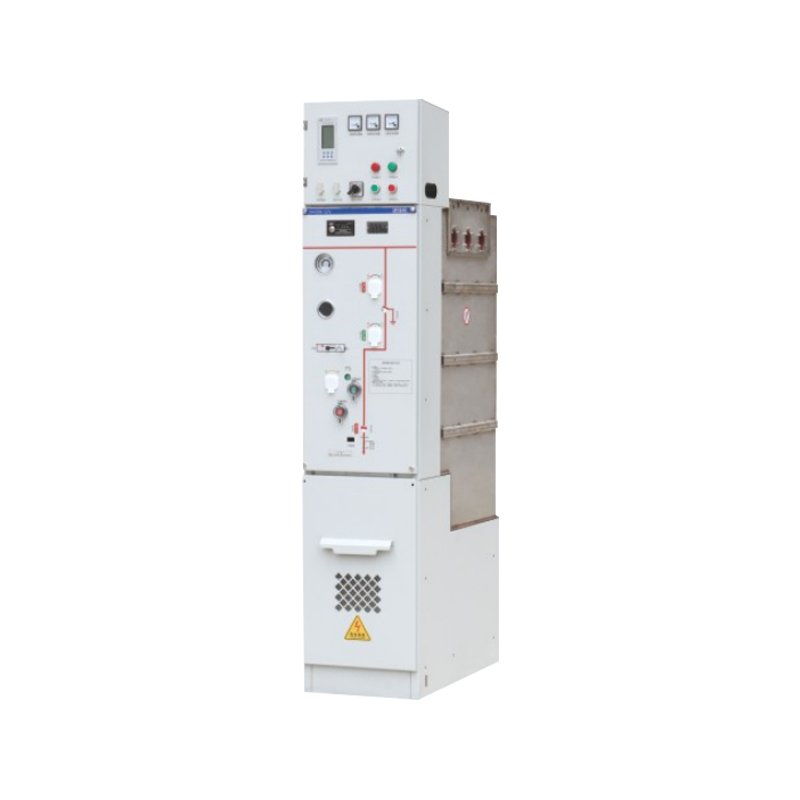
Temporary infrastructure projects often face fluctuating power demands. Construction sites typically operate for periods ranging from several weeks to multiple months, during which electricity is required for lighting, monitoring equipment, communication systems, and light machinery. A mobile photovoltaic cabin with an installed capacity between 40 kW and 180 kW can supply a substantial portion of daily energy needs, particularly for non-continuous loads. Operational data from temporary deployments shows that solar-supported cabins can cover approximately 50–70% of daytime electricity demand under suitable conditions.
Design flexibility is a defining characteristic. Most cabins are constructed using standardized container dimensions, enabling transport by truck or rail. Internal layouts are arranged to allow rapid inspection, cable routing, and inverter access. Battery systems commonly range from 120 kWh to 600 kWh, providing energy continuity during low-irradiance periods or nighttime operation.
Key functional features often include:
- Integrated photovoltaic inverters and charge controllers
- Energy storage modules designed for frequent charge-discharge cycles
- Ventilation and thermal regulation systems
- Remote monitoring interfaces for performance tracking
Emergency response scenarios also benefit from mobile photovoltaic cabins. After natural disruptions, power restoration timelines may be uncertain. Mobile systems can be deployed and commissioned within 24 to 72 hours depending on site conditions. Field records indicate that modular photovoltaic cabins support continuous operation of medical tents, communication hubs, and temporary shelters.
Environmental tolerance is another consideration. Cabins are designed to operate across ambient temperature ranges from -20°C to 50°C, with internal thermal management maintaining electrical stability. Inverter efficiency typically remains above 94% during standard operating conditions, supporting predictable output levels.
Maintenance planning is simplified through modular design. Components can be serviced individually without full system shutdown. Operational monitoring data suggests that structured inspection schedules reduce unplanned outages by roughly 15% compared to fuel-based temporary generators.
In summary, Mobile Photovoltaic Cabin systems support temporary power operations through transportability, integrated energy management, and adaptable deployment. Their application across construction, emergency response, and short-term industrial projects demonstrates their role in flexible off-grid electricity supply.
FAQs
What applications commonly use mobile photovoltaic cabins?
Construction sites, emergency response areas, and temporary industrial facilities.
How long can a cabin operate without sunlight?
Battery capacity typically supports several hours to a full night of operation.
Is grid connection required?
No, but grid access can be used for supplemental charging if available.
Are these systems reusable across projects?
Yes, cabins are designed for repeated deployment.
Next
Distributed Photovoltaic Power Station Challenges
<p><strong><a href="https://www.hp-electric.com/product/">Distributed ph...
View More


- PRODUCTS
- New Energy Power Distribution Equipment
- Box Type Substation
- Cable Branch Box/Switch Station
- High Voltage Switchgear
- Low Voltage Switchgear
- Engineering Vacuum Circuit Breaker
- New Energy Vehicle Floor Charging Pile
- Commercial Energy Storage
- Photovoltaic Complete Box
- High Voltage Arrester
- INFORMATION
-
-
Phone+86-13868788848
+86-13356188725 -
Tel+86-0577-88810567
-
E-mail
-
AddNo. 59, Youyi Road, Xinguang Industrial Zone, Liushi Town, Yueqing City, Zhejiang, China
-
- ENQUIRE WITH US
Photovoltaic Module Manufacturer

