

 English
  中文简体
中文简体  русский
  Español
  عربى
عربى 
Modular Photovoltaic Cabin Manufacturer: The Power Station That Arrives on a Truck
A solar farm needs inverters, transformers, switchgear, and a weatherproof place to put them. On-site construction takes months. A modular photovoltaic cabin arrives assembled, wired, and tested from the factory. It lands on a prepared pad, connects to the panels and the grid, and powers up. A modular photovoltaic cabin manufacturer builds these enclosures in sections that scale from small commercial rooftops to utility-scale solar farms. The cabin is not a box. It is a pre-engineered power station.
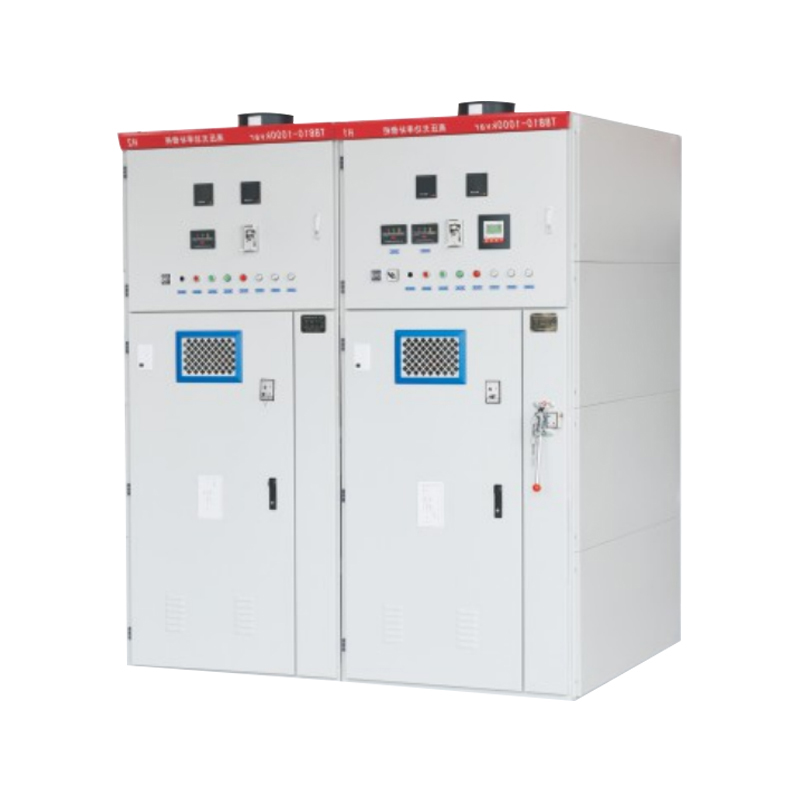
Why Modular Beats On-Site Construction
Traditional solar installations involve pouring concrete, erecting a building, and installing equipment piece by piece. The wiring runs on site, tested after the fact. A modular photovoltaic cabin moves all of that inside a factory. The inverters, transformers, and switchgear are mounted, wired, and tested under a roof before the cabin ships. The site crew connects the DC input and the AC output. Commissioning takes days, not months.
The modular design splits the cabin into sections that bolt together. A small system uses one section. A large system stacks or joins several. A modular photovoltaic cabin manufacturer designs the sections so they ship on standard trucks and assemble on site without heavy cranes.
The factory environment controls quality. Wires are cut to length and terminated under controlled conditions. Protection settings are programmed and verified. A modular photovoltaic cabin leaves the factory with the wiring tested and the logic checked. Site errors drop.
The Thermal Problem Inside a Steel Box
Inverters and transformers generate heat. A sealed steel enclosure in direct sun turns into an oven. A modular photovoltaic cabin manages this with ventilation, forced air, or air conditioning, depending on the heat load and the climate.
Ventilation louvers with filters let air circulate while keeping out dust and insects. Exhaust fans pull hot air from the top. A modular photovoltaic cabin manufacturer sizes the ventilation for the heat rejection of the equipment plus the solar gain on the enclosure.
For hot climates or high-power installations, air conditioning units mount on the wall. The cooling capacity is matched to the internal heat load. Insulated sandwich panels form the walls and roof, reducing the thermal load from the sun. A modular photovoltaic cabin with properly sized cooling keeps the equipment within its rated temperature range.
Here is what a modular photovoltaic cabin manufacturer needs to deliver:
- Weatherproof steel enclosure with insulated panels
- Factory-integrated inverter, transformer, and switchgear
- Thermal management sized for equipment load and climate
- Internal wiring tested before shipment
- Modular sections that ship and assemble without heavy lifting
- Cable entry points positioned for site connection
What Goes Inside
The inverter converts DC from the solar array to AC for the grid. String inverters or a central inverter sit inside depending on the design. The transformer steps the voltage up to the grid connection level. The switchgear distributes the power and protects against faults. Circuit breakers, disconnect switches, and surge arresters are mounted on panels inside the cabin.
A modular photovoltaic cabin manufacturer wires these components together at the factory. The interconnections are made, the protection relays are set, and the system is tested. When the cabin arrives on site, the installer connects the array and the grid. That is the entire integration.
Small Rooftops to Utility-Scale Farms
Commercial rooftop installations use small cabins that sit next to the building or on the roof. A modular photovoltaic cabin sized for the available space houses the balance of system equipment.
Utility-scale farms spread dozens of cabins across the site, each serving a section of the array. A modular photovoltaic cabin manufacturer builds multiple identical units so the site team repeats the same installation process.
Energy storage integration puts batteries and power conversion in the same cabin or linked cabins. A modular photovoltaic cabin designed for storage includes battery racking, battery cooling, and fire suppression.
What Fails When the Cabin Is Not Integrated
Site wiring takes weeks and introduces errors. Factory wiring tested before shipping eliminates field mistakes. The cooling system is undersized. Equipment overheats and derates during peak production. A modular photovoltaic cabin manufacturer that calculates the full heat load prevents thermal shutdowns.
The cabin leaks at the door seals and cable glands. Factory weather-tightness testing catches leaks before the cabin leaves. A modular photovoltaic cabin is a power station built indoors and shipped to a field. Choose a manufacturer that integrates the system completely, manages the heat, and seals the enclosure. The cabin arrives, connects, and powers up. That is the point.
Next
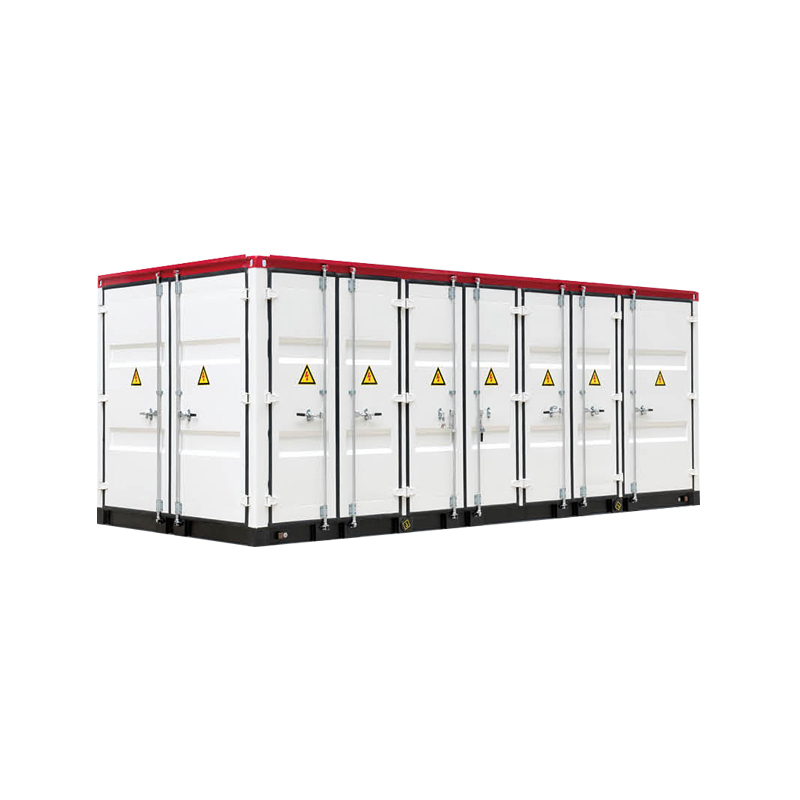
Integrated Photovoltaic Prefabricated Cabin: The Power Station in a Box
<p>A solar farm needs inverters, transformers, switchgear, and a place to put them. Pouring co...
View More


- PRODUCTS
- New Energy Power Distribution Equipment
- Box Type Substation
- Cable Branch Box/Switch Station
- High Voltage Switchgear
- Low Voltage Switchgear
- Engineering Vacuum Circuit Breaker
- New Energy Vehicle Floor Charging Pile
- Commercial Energy Storage
- Photovoltaic Complete Box
- High Voltage Arrester
- INFORMATION
-
-
Phone+86-13868788848
+86-13356188725 -
Tel+86-0577-88810567
-
E-mail
-
AddNo. 59, Youyi Road, Xinguang Industrial Zone, Liushi Town, Yueqing City, Zhejiang, China
-
- ENQUIRE WITH US
Photovoltaic Module Manufacturer

