

 English
  中文简体
中文简体  русский
  Español
  عربى
عربى 
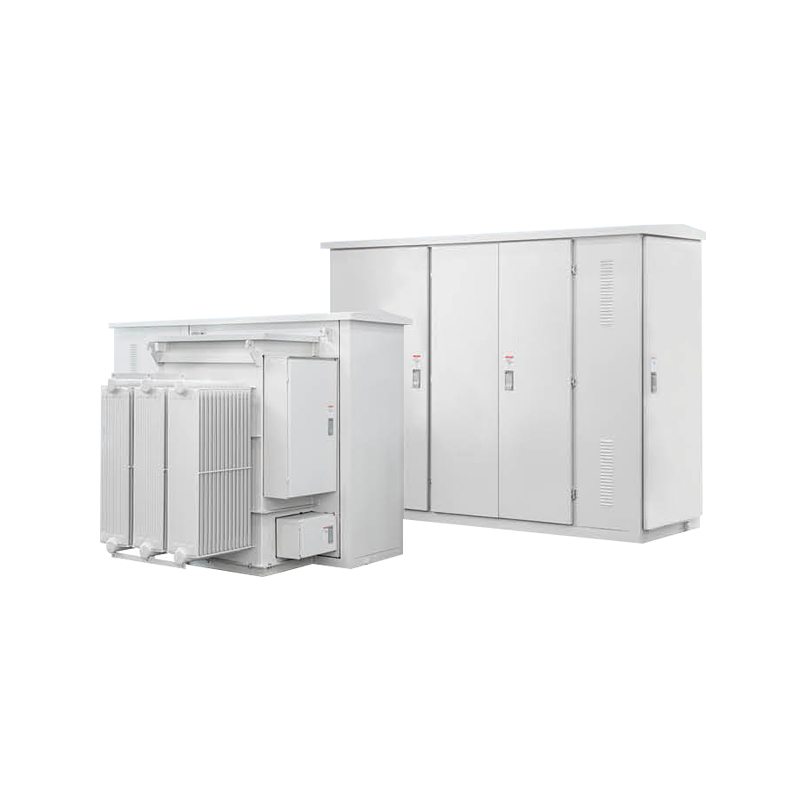
New Energy Storage Photovoltaic Cabin Supports Solar Applications
The New Energy Storage Photovoltaic Cabin concept is gaining attention as solar energy systems increasingly integrate battery storage. By storing excess solar power for later use, these cabins help balance energy generation and demand, making solar installations more versatile and adaptive. This approach is being applied in residential, commercial, and industrial settings to provide reliable renewable energy without depending solely on immediate sunlight.
Key Highlights of Solar‑Plus‑Storage Integration
- Growing Storage Capacity
Annual battery storage installations have expanded significantly, with new projects adding tens of gigawatts of capacity worldwide. These storage systems allow solar energy to be shifted from peak generation periods to times of higher demand, improving overall energy utilization.
- Enhanced Grid Flexibility
Combining solar panels with battery storage helps smooth fluctuations in power supply, supporting grid stability. Hybrid systems can respond to varying electricity loads, offering greater operational flexibility for utilities and energy managers.
- Industrial and Commercial Applications
Solar‑plus‑storage cabins are increasingly deployed to support industrial operations and commercial facilities. They can provide a steady power supply for operations that require consistent electricity, reduce reliance on diesel generators, and improve energy efficiency.
- Scalable Modular Design
The cabin approach offers modularity, allowing users to scale storage and generation capacity based on site-specific requirements. This design supports both temporary installations and long-term energy solutions, facilitating rapid deployment where needed.
- Multi‑Functional Energy Solutions
Beyond electricity supply, these systems can integrate with electric vehicle charging, backup power, and microgrid applications. Such versatility enhances the value of solar and storage investments across different use cases.
Benefits and Considerations
- Operational Efficiency
By storing surplus energy, photovoltaic cabins reduce curtailment and allow more effective use of generated solar power. This can optimize energy flow in both isolated and grid-connected scenarios.
- Flexible Deployment
Cabins can be installed in a variety of locations, from urban rooftops to remote industrial sites. Their compact design simplifies transport, installation, and maintenance.
- Energy Management
Advanced management systems enable monitoring of power generation, storage levels, and consumption patterns. This data-driven approach allows users to make informed decisions for energy use and load distribution.
- Environmental Contribution
Using solar energy with storage supports lower dependence on fossil fuels and can contribute to emissions reduction goals. The cabins serve as a practical way to implement renewable energy at various scales.
Applications Across Different Sectors
- Residential Communities: Provide supplementary energy and backup power for homes.
- Commercial Buildings: Enhance sustainability and reduce electricity costs.
- Industrial Facilities: Ensure uninterrupted operations with stored solar energy.
- Remote Sites: Supply energy in areas with limited grid access or unstable electricity supply.
Future Outlook
The adoption of hybrid solar‑storage systems demonstrates how energy flexibility and efficiency are increasingly valued. With more modular solutions like the New Energy Storage Photovoltaic Cabin, users can benefit from renewable energy in a practical and scalable way. These cabins allow for the storage and use of solar power according to site-specific needs, making renewable energy more adaptable for a wide range of applications.
As solar installations continue to expand and storage technology evolves, the New Energy Storage Photovoltaic Cabin provides a practical pathway for businesses, communities, and industries to integrate renewable energy efficiently while maintaining operational flexibility.
Next
Modular Solar Cabins Provide Flexible Power for Remote Sites
<p>The concept of the<strong> </strong><a href="https://www.hp-electric.co...
View More


- PRODUCTS
- New Energy Power Distribution Equipment
- Box Type Substation
- Cable Branch Box/Switch Station
- High Voltage Switchgear
- Low Voltage Switchgear
- Engineering Vacuum Circuit Breaker
- New Energy Vehicle Floor Charging Pile
- Commercial Energy Storage
- Photovoltaic Complete Box
- High Voltage Arrester
- INFORMATION
-
-
Phone+86-13868788848
+86-13356188725 -
Tel+86-0577-88810567
-
E-mail
-
AddNo. 59, Youyi Road, Xinguang Industrial Zone, Liushi Town, Yueqing City, Zhejiang, China
-
- ENQUIRE WITH US
Photovoltaic Module Manufacturer

