

 English
  中文简体
中文简体  русский
  Español
  عربى
عربى 
Underground Box Transformer: Compact Power for Subsurface Networks
The underground box transformer has become an essential component for urban power distribution networks, residential developments, and commercial complexes requiring compact, visually unobtrusive electrical infrastructure. This transformer is designed for installation in underground vaults or pad-mounted enclosures, providing reliable voltage transformation while small surface footprint. Recent utility data indicates that underground box transformers have gained widespread adoption due to their aesthetic benefits, enhanced security, and protection against environmental exposure compared to traditional pole-mounted units.

Enclosure Construction and Corrosion Protection
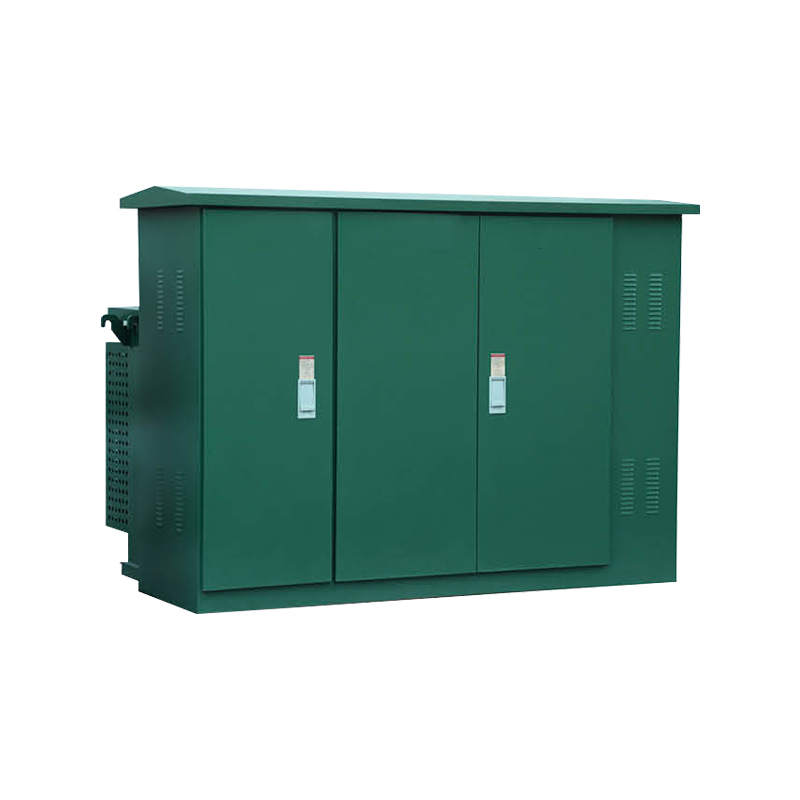
The underground box transformer features a rugged enclosure constructed from stainless steel or galvanized steel with a powder-coated finish, designed to withstand prolonged exposure to moisture, soil chemicals, and temperature fluctuations. The enclosure is fully welded and gasketed to create a watertight and dust-tight seal, preventing groundwater ingress and protecting internal components from corrosion. The enclosure includes lifting eyes or flanges for safe handling during installation and removal, and reinforced walls and covers that withstand external loads from traffic or soil pressure.
The corrosion protection system includes multiple layers of coating, with a zinc-rich primer and a durable topcoat that resists chipping and scratching. The enclosure is designed to be maintenance-free for the life of the transformer, with sealed cable entry points that prevent moisture migration along the cables. The enclosure also includes a drain valve at the low point to allow removal of any accumulated condensation or water ingress, ensuring the internal environment remains dry.
Transformer Core and Cooling System
The underground box transformer uses a liquid-filled design with a high-efficiency core constructed from grain-oriented silicon steel, which less core losses and improves overall efficiency. The coils are wound from high-conductivity copper or aluminum, with insulation rated for the operating temperature and voltage. The insulating liquid, typically mineral oil or a less-flammable synthetic ester, provides both electrical insulation and heat dissipation.
The cooling system relies on natural convection to transfer heat from the windings to the enclosure walls, with cooling fins or ribs on the exterior surface increasing the area for heat dissipation into the surrounding soil or air. The transformer is designed for continuous operation at full load under specified ambient conditions, with the cooling system providing adequate margin for short-term overloads. The tank includes temperature sensors that monitor oil temperature, with alarms and automatic shutdown if safe limits are exceeded.
Cable Termination and Installation Requirements
The underground box transformer is connected to the utility grid using underground cables, with a cable termination compartment at the base or side of the enclosure providing ample space for cable pulling, termination, and stress relief. The compartment includes:
- Cable support brackets that secure incoming and outgoing cables;
- Termination kits for load-break or dead-break connectors;
- Grounding terminals for bonding cable shields and equipment grounds;
- Removable cable entry plates for bottom or side cable entry.
The installation requires a prepared underground vault or pad that provides a stable foundation and adequate drainage, and the vault must be sized to accommodate the transformer with safe access for cable pulling, termination, and maintenance. The transformer is lowered into the vault using the lifting eyes, and the cables are pulled through the conduit and terminated in the cable compartment. The enclosure is then bolted or padlocked to prevent unauthorized access.
Safety Features and Selection Factors
The underground box transformer includes comprehensive safety features to protect personnel and equipment, with pressure relief devices that vent excess pressure, temperature sensors that provide early warning of overheating, and liquid-level indicators for monitoring the insulating fluid. The enclosure is designed to contain potential oil leaks with a spill containment sump.
When selecting an underground box transformer, buyers evaluate the transformer rating, voltage requirements, enclosure type and corrosion resistance, cooling system capacity, and cable termination options. Buyers also consider compliance with relevant standards such as IEEE and ANSI, and the manufacturer's reputation for reliability. Proper selection ensures reliable and efficient power distribution.
Next
Combined American Prefabricated Substation: Compact Power Distribution Solution
<p>The <a href="/product/box-type-substation/" target="_blank">combi...
View More


- PRODUCTS
- New Energy Power Distribution Equipment
- Box Type Substation
- Cable Branch Box/Switch Station
- High Voltage Switchgear
- Low Voltage Switchgear
- Engineering Vacuum Circuit Breaker
- New Energy Vehicle Floor Charging Pile
- Commercial Energy Storage
- Photovoltaic Complete Box
- High Voltage Arrester
- INFORMATION
-
-
Phone+86-13868788848
+86-13356188725 -
Tel+86-0577-88810567
-
E-mail
-
AddNo. 59, Youyi Road, Xinguang Industrial Zone, Liushi Town, Yueqing City, Zhejiang, China
-
- ENQUIRE WITH US
Photovoltaic Module Manufacturer

