

 English
  中文简体
中文简体  русский
  Español
  عربى
عربى 
Vacuum Circuit Breaker: Expands Protection for Renewable Distribution Systems
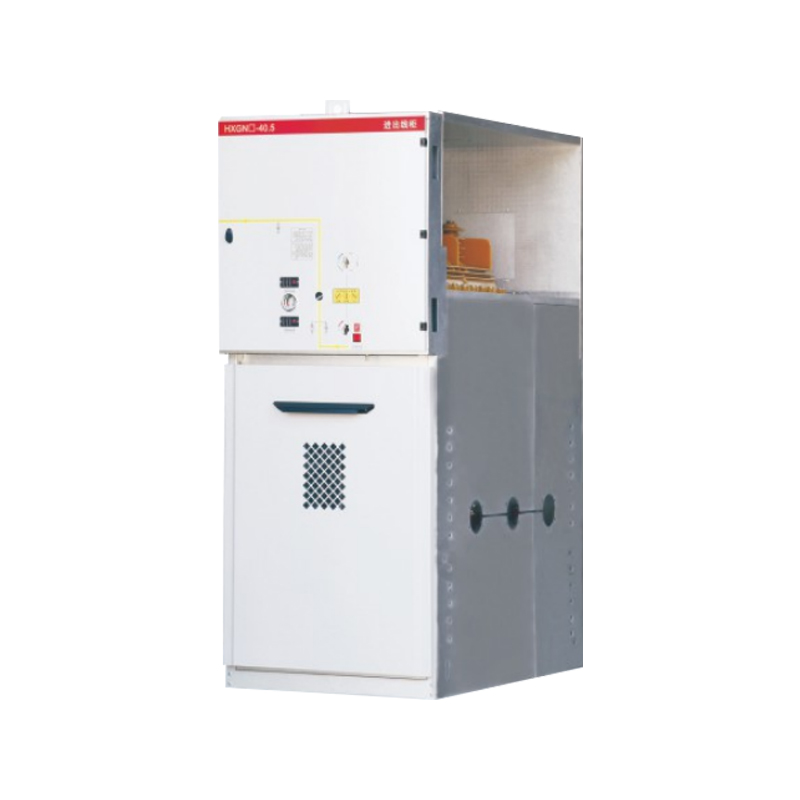
Integrated Photovoltaic Inverter systems are being adopted in commercial buildings, distributed solar projects, and industrial power stations as energy users continue shifting toward renewable electricity structures. Alongside this transition, the Vacuum Circuit Breaker has become an important component in distribution systems where stable switching, fault isolation, and equipment coordination are required for solar-connected networks.
Higher penetration of photovoltaic generation has changed the operating conditions inside low-voltage and medium-voltage distribution systems. Traditional power flow models based on one-way transmission are gradually being replaced by bidirectional energy exchange, intermittent output management, and grid-connected inverter operation. As a result, protection devices used in renewable installations are receiving increased attention from project designers, facility managers, and electrical contractors.
Changing Operating Conditions in Renewable Power Distribution
Solar generation systems connected to industrial or commercial facilities often experience fluctuating output because photovoltaic generation depends on sunlight intensity, seasonal variation, and weather conditions. When multiple generation sources are integrated into the same network, electrical protection systems must respond to both conventional load-side faults and generation-side disturbances.
Integrated photovoltaic systems also introduce additional switching events due to inverter startup, shutdown, grid synchronization, and maintenance operations. In some installations, frequent switching may increase contact wear in traditional switching devices. Vacuum interruption technology is commonly selected because it limits arc duration inside sealed vacuum chambers during circuit interruption.
In renewable distribution systems, electrical designers usually consider several operational factors:
- Grid synchronization behavior during inverter connection
- Short-circuit current handling capability
- Switching frequency in distributed energy networks
- Isolation during maintenance procedures
- Coordination between transformers, inverters, and switchgear
- Space limitations in compact substations or rooftop systems
Because photovoltaic projects are often installed in urban commercial buildings, manufacturing plants, logistics centers, and remote energy stations, distribution equipment also needs to fit varying environmental and installation conditions.
Technical Adjustments Supporting Integrated Energy Networks
The structure of an Integrated Photovoltaic Inverter system differs from conventional power distribution because inverter-based generation introduces electronic switching characteristics instead of purely mechanical load behavior. This has influenced the selection of protective devices throughout renewable installations.
A Vacuum Circuit Breaker is designed to interrupt electrical current inside a vacuum interrupter chamber. During fault interruption, the arc generated between contacts extinguishes rapidly due to the low-pressure environment. This design reduces the amount of ionized material remaining after current interruption and supports repeated switching operations under controlled conditions.
The following table outlines several characteristics commonly associated with vacuum-based switching equipment used in renewable distribution systems:
|
Feature |
Practical Function in PV Distribution Systems |
|
Vacuum interrupter chamber |
Supports arc extinction during fault interruption |
|
Compact structure |
Fits container substations and rooftop switchgear rooms |
|
Mechanical endurance |
Handles repeated switching operations |
|
Low maintenance requirement |
Reduces inspection frequency in remote projects |
|
Fast fault isolation |
Helps disconnect abnormal sections of the network |
|
Integration compatibility |
Coordinates with inverter and transformer protection systems |
In photovoltaic applications, the coordination between inverter protection logic and circuit breaker operation is particularly important. When abnormal voltage, overcurrent, or grid instability occurs, the protection system must isolate affected sections without unnecessarily disconnecting the entire generation network.
Modern renewable installations may also combine:
- Battery energy storage systems
- Smart metering devices
- Remote monitoring platforms
- Automatic transfer systems
- Distributed load management equipment
These integrated systems require switching devices capable of working alongside digital monitoring and automated control environments.
Installation Areas Across Commercial and Utility Projects
Integrated photovoltaic power systems are now used across different building categories and industrial sectors. Distribution protection requirements vary depending on generation capacity, voltage level, and operational load characteristics.
In manufacturing facilities, photovoltaic systems are often connected to daytime production loads to reduce grid electricity consumption during peak operating hours. Circuit protection equipment is installed between transformers, inverter cabinets, and distribution panels to manage switching and protection coordination.
Commercial buildings such as shopping centers, office parks, and data facilities are also increasing solar adoption. In these projects, electrical rooms may have limited installation space, making compact switchgear arrangements more practical.
Several common application environments include:
|
Application Area |
Typical Distribution Requirement |
|
Rooftop solar systems |
Compact protection equipment for limited spaces |
|
Industrial workshops |
Coordination with motors and heavy electrical loads |
|
Agricultural pumping systems |
Outdoor switching and remote maintenance access |
|
Container energy stations |
Integrated control and compact switchgear layouts |
|
Utility-connected solar farms |
Medium-voltage fault isolation and feeder protection |
In utility-scale projects, vacuum switching devices are frequently used inside ring main units, feeder cabinets, and medium-voltage substations connected to photovoltaic collection systems. Since solar farms may operate across large outdoor areas, maintenance accessibility and operational continuity are practical considerations during equipment selection.
Operational Example from a Distributed Solar Installation
A medium-sized industrial facility operating a rooftop photovoltaic system may combine several inverter groups connected to a centralized distribution cabinet. During periods of high solar irradiance, inverter output increases while factory loads continue operating simultaneously.
In one operational scenario, a feeder fault occurring downstream from an inverter cabinet can create abnormal current conditions. The protection relay communicates with the Vacuum Circuit Breaker, which interrupts the affected feeder section while allowing the remaining distribution network to continue operating.
Without selective fault isolation, the entire photovoltaic array might disconnect from the facility network, interrupting power contribution from the solar installation. Coordinated switching helps reduce unnecessary system-wide interruptions.
The following operational sequence is commonly used in renewable distribution systems:
- Monitoring equipment detects abnormal electrical conditions
- Protection relays analyze fault characteristics
- The circuit breaker interrupts the affected section
- Remaining distribution feeders continue operation if conditions permit
- Maintenance personnel isolate and inspect the fault location
This process is particularly relevant in installations where production continuity or facility uptime is closely monitored.
Next
What Mobile Energy Storage Charging Pile Means for Urban Mobility?
<p>Shifts in transportation patterns are reshaping how cities plan their energy systems, espec...
View More


- PRODUCTS
- New Energy Power Distribution Equipment
- Box Type Substation
- Cable Branch Box/Switch Station
- High Voltage Switchgear
- Low Voltage Switchgear
- Engineering Vacuum Circuit Breaker
- New Energy Vehicle Floor Charging Pile
- Commercial Energy Storage
- Photovoltaic Complete Box
- High Voltage Arrester
- INFORMATION
-
-
Phone+86-13868788848
+86-13356188725 -
Tel+86-0577-88810567
-
E-mail
-
AddNo. 59, Youyi Road, Xinguang Industrial Zone, Liushi Town, Yueqing City, Zhejiang, China
-
- ENQUIRE WITH US
Photovoltaic Module Manufacturer

