

 English
  中文简体
中文简体  русский
  Español
  عربى
عربى 
Why Mobile Energy Storage Charging Pile Fits Off Grid Applications?
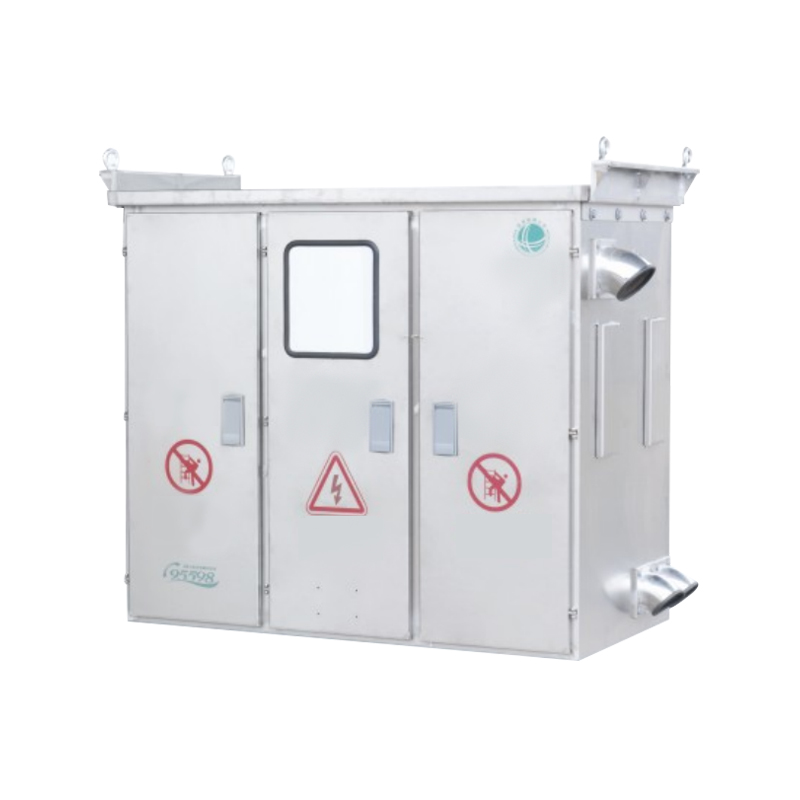
Power access in remote or temporary locations often depends on flexible systems rather than fixed infrastructure. In such scenarios, combining a Mobile Energy Storage Charging Pile with an Underground Ip68 Protection Cable Docking Box offers a practical approach to managing electricity distribution while addressing environmental exposure and mobility requirements. These solutions are increasingly used in off grid applications such as construction sites, outdoor events, emergency response zones, and remote industrial operations.
Instead of relying on permanent grid connections, off grid systems must balance portability, safety, and adaptability. The following sections explain how these components support such environments from a practical and operational perspective.
Adapting to Locations Without Fixed Power Infrastructure
Off grid environments are defined by the absence of stable electrical networks. This may include rural areas, temporary project sites, or locations where grid expansion is not yet available. A mobile energy storage charging pile provides an independent power source that can be transported and deployed as needed.
Unlike traditional generators that depend on continuous fuel supply, energy storage units can be charged in advance and then used on-site. This allows for quieter operation and reduces the need for constant refueling logistics. When paired with underground cable docking boxes, the system gains a structured method for distributing power to multiple endpoints without leaving cables exposed on the surface.
The docking box acts as a connection hub, allowing energy to be routed safely to equipment or secondary distribution points. This setup supports a more organized layout, even in environments that are not permanently developed.
Mobility Supports Changing Power Demand
One of the defining characteristics of off grid applications is variability. Equipment locations, energy demand, and operational schedules may change frequently. A mobile energy storage charging pile can be repositioned to match these changes without requiring majr infrastructure adjustments.
This flexibility is particularly useful in construction projects where different phases require power in different areas. Instead of installing fixed cabling for each stage, the charging unit can be moved while the underground docking points remain in place. This reduces repeated installation work and helps maintain a consistent connection system.
In addition, mobile units can be shared across multiple sites. When one location no longer requires temporary power, the equipment can be relocated to another project, supporting efficient resource use.
Environmental Protection in Harsh Conditions
Off grid locations often present environmental challenges such as rain, dust, uneven terrain, and temperature variation. Equipment used in these settings must be able to operate under such conditions without frequent interruption.
The underground IP68-rated docking box contributes by protecting cable connections from moisture and debris. Proper sealing helps reduce the likelihood of water entering critical connection points, which is especially important in areas prone to flooding or heavy rainfall.
Placing cable joints underground also reduces the risk of mechanical damage caused by vehicles or equipment movement. This is particularly relevant in construction or industrial environments where surface activity is constant.
For the mobile charging pile, protective enclosures and stable connectors are necessary to maintain consistent operation during transport and use. Together, these components form a system that addresses both mobility and environmental exposure.
Practical Setup Steps for Off Grid Deployment
When deploying these systems in off grid scenarios, several practical considerations can help improve efficiency and safety:
Site selection for docking points
Choose locations that are accessible for maintenance but protected from heavy traffic or water accumulation.
Pre-installation of underground boxes
Install docking boxes before major site activity begins to avoid interference with ongoing work.
Cable routing with protective conduits
Use conduits to guide cables between the docking box and equipment, reducing wear and accidental damage.
Flexible connection planning
Allow enough cable length to accommodate movement of the mobile charging unit without creating tension.
Regular inspection schedule
Check sealing conditions, cable integrity, and connection stability at defined intervals.
These steps help maintain a consistent setup while adapting to changing site conditions.
Reducing Surface Cable Complexity
Surface-level cable arrangements can become difficult to manage in off grid environments, especially when multiple devices require power. Exposed cables may create tripping hazards, interfere with equipment movement, or be subject to weather-related wear.
The mobile energy storage charging pile connects to these docking points, allowing power to be distributed without extensive surface wiring. This is particularly useful in temporary setups where quick installation and removal are required.
Next
How Underground Ip68 Protection Cable Docking Box Supports Smart Cities?
<p>Urban infrastructure is gradually shifting toward interconnected and data-driven systems, w...
View More


- PRODUCTS
- New Energy Power Distribution Equipment
- Box Type Substation
- Cable Branch Box/Switch Station
- High Voltage Switchgear
- Low Voltage Switchgear
- Engineering Vacuum Circuit Breaker
- New Energy Vehicle Floor Charging Pile
- Commercial Energy Storage
- Photovoltaic Complete Box
- High Voltage Arrester
- INFORMATION
-
-
Phone+86-13868788848
+86-13356188725 -
Tel+86-0577-88810567
-
E-mail
-
AddNo. 59, Youyi Road, Xinguang Industrial Zone, Liushi Town, Yueqing City, Zhejiang, China
-
- ENQUIRE WITH US
Photovoltaic Module Manufacturer

