

 English
 中文简体
 русский
 Español
 عربى

Distributed Modular Energy Storage Box: The Battery That Comes in Sections
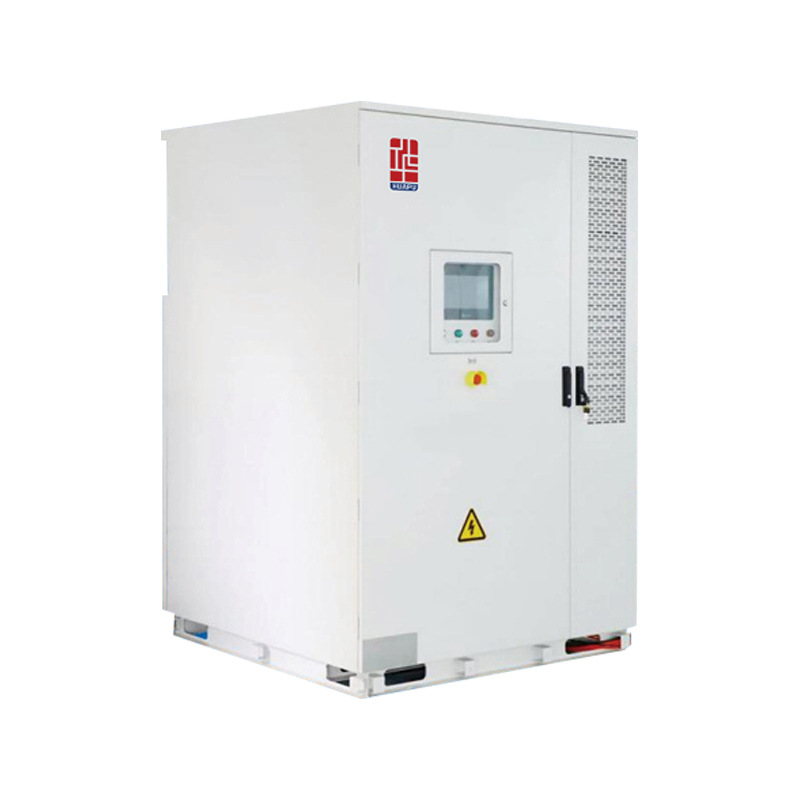
A distributed modular energy storage box is a battery system built from identical modules that stack or bolt together. Each module carries its own cells, its own battery management, and its own thermal path, and the system grows by adding modules rather than by replacing the whole unit. The box sits at the commercial building, the factory, the charging station, or the microgrid, and it stores the solar or the off-peak power for the evening peak.
Why Modular Beats Monolithic
A monolithic battery is sized once and replaced when it degrades. A modular box lets the operator add capacity when the load grows and replace a single module when one degrades. The rest of the system keeps working.
The distributed modular energy storage box with the identical module footprint lets the installer stack the capacity in the field without a new design. The site that starts with two modules and grows to six does it with the same enclosure, the same wiring, and the same commissioning procedure.
Each Module Carries Its Own Management
The battery management system inside each module monitors the cell voltage, the temperature, and the state of charge. The module reports to the system controller, and the controller balances the modules against each other.
A distributed modular energy storage box with per-module management isolates the fault to the module. One module with a weak cell is taken offline, and the rest of the system continues at reduced capacity instead of shutting down entirely.
What per-module management has to deliver:
- Cell voltage and temperature monitoring inside every module
- State-of-charge reporting to the system controller
- Module-to-module balancing
- Fault isolation that keeps the rest of the stack running
The Thermal Path Runs Module by Module
Heat is the life limit of the battery. Each module has its own cooling path, air or liquid, and the thermal design keeps the cells within the operating window.
A distributed modular energy storage box with per-module thermal control keeps the temperature even across the stack. The module at the top of the stack that runs hotter than the one at the bottom is the one that ages first, and per-module cooling prevents that.
The Enclosure and the Site
The box is the outdoor-rated enclosure, IP54 or IP55, with the padlock and the cable entry. The enclosure is sized for the module count, and the site work is the pad and the cable.
A distributed modular energy storage box with the outdoor enclosure and pre-engineered cable entry installs in days. A site-built battery room takes months.
The Fire Safety
The lithium battery needs fire detection and suppression. Module-level monitoring detects thermal runaway early, and the suppression system contains it.
A distributed modular energy storage box with module-level detection and suppression gives the fire service the information and the containment they need. A box without it is the box the insurer questions.
The Commercial Building and the Microgrid
The commercial building uses the box for peak shaving and backup. The microgrid uses it for solar storage and grid stabilization. The charging station uses it for demand charge management.
Why the Box Falls Short
The modules are not identical and the stack does not balance. The thermal path is uneven and the top module ages first. The enclosure is not rated for the site and water gets in. The fire detection is missing and the insurer rejects the installation. Each one is a design decision made before the box reaches the site.
Next
Photovoltaic Grid-Connected Box: The Junction Where the Array Meets the Grid
<p>A <a href="/product/photovoltaic-complete-box/" target="_blank">p...
View More


- PRODUCTS
- New Energy Power Distribution Equipment
- Box Type Substation
- Cable Branch Box/Switch Station
- High Voltage Switchgear
- Low Voltage Switchgear
- Engineering Vacuum Circuit Breaker
- New Energy Vehicle Floor Charging Pile
- Commercial Energy Storage
- Photovoltaic Complete Box
- High Voltage Arrester
- INFORMATION
-
-
Phone+86-13868788848
+86-13356188725 -
Tel+86-0577-88810567
-
E-mail
-
AddNo. 59, Youyi Road, Xinguang Industrial Zone, Liushi Town, Yueqing City, Zhejiang, China
-
- ENQUIRE WITH US
Photovoltaic Module Manufacturer

