

 English
 中文简体
 русский
 Español
 عربى

Photovoltaic Grid-Connected Box: The Junction Where the Array Meets the Grid
A photovoltaic grid-connected box is the enclosure where the solar array current is combined, protected, and routed toward the grid. It sits between the panels and the inverter, or between the inverter and the metering point, and it holds the fuses, the surge protection, the disconnect, and the terminals. The box has to do that outdoors, in the heat, in the rain, and under the UV for the life of the installation.
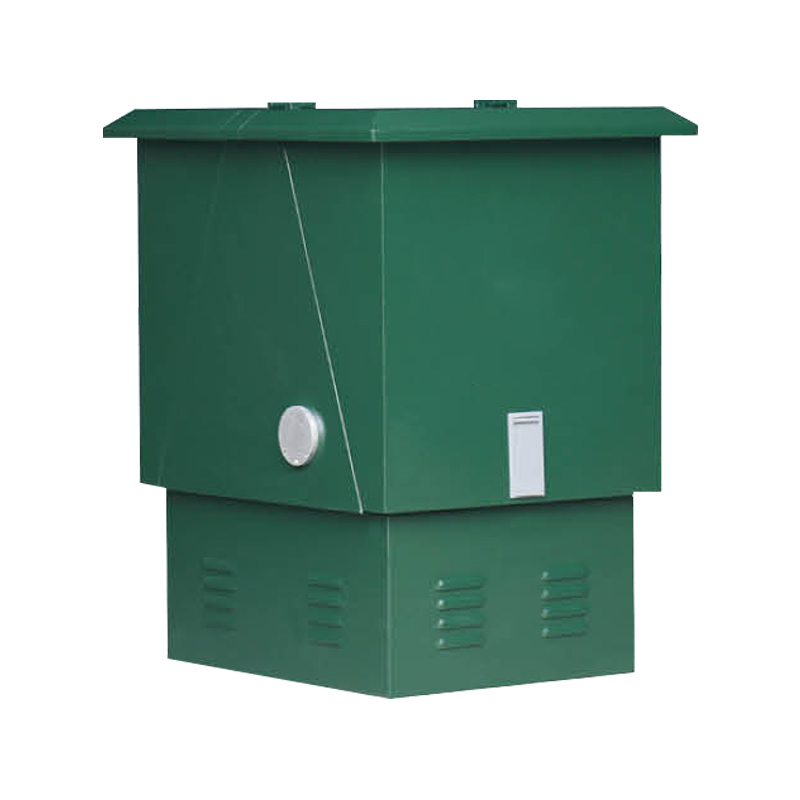
The buyer's first check should cover these:
- DC or AC configuration matched to the system architecture
- Voltage rating for 1000 or 1500 volts DC
- Fuses, breakers, surge protection, and the disconnect included
- IP65 or IP66 enclosure with UV-stabilized material
- Grid code compliance for the AC protection and metering
The DC Side Is Not the AC Side
The array-side box takes the strings from the panels and combines them into the DC feeder. Each string has its fuse or breaker, and the box has the surge protection and the main disconnect. On a modern installation the DC voltage reaches 1000 or 1500 volts, and the clearance inside the box is designed for that, not for the AC voltage most installers are used to.
The DC arc does not self-extinguish the way the AC arc does at the zero crossing. That is why the DC box needs the larger clearance and the arc suppression, and why a box built for AC service cannot be repurposed for the DC side.
The AC Side Carries the Grid Code
The grid-side box takes the inverter output and routes it to the connection point, with the AC breaker, the surge protection, and the metering. It may also hold the anti-islanding relay and the grid protection relay, depending on the local code.
The box that does not meet the utility's protection and metering requirements does not get the interconnection approval, and the whole installation waits. The box that is built to the code from the start avoids that delay.
Heat Is the Quiet Failure
The box sits in the sun, and the components inside generate their own heat. The surge devices and the relays are the first to fail when the internal temperature climbs. Passive vents, a sun shield, or forced ventilation keep the temperature within the component rating.
A box with the proper thermal design avoids the derating and the premature failure. A box without it runs hot and the components fail early, usually in the second summer.
The Enclosure Has to Survive the Sun
The IP rating handles the rain and the dust. The UV-stabilized material handles the sunlight. The stainless hardware handles the corrosion. A box that is not UV-stabilized cracks in the sun, and once it cracks the water gets in and the protection fails.
The Rooftop and the Utility Array
The rooftop uses the small box on the wall or the roof. The utility-scale array uses the large combiner at the string level and the AC box at the inverter. Each one needs the enclosure that survives the site and the protection that meets the code.
Where the Box Comes Up Short
The surge device fails because the box ran too hot. The enclosure cracks because the plastic was not UV-stabilized. The DC arc flashes because the clearance was designed for AC. The interconnection is rejected because the protection did not meet the code. Each one is a design decision made before the box reaches the site.
Next
Modular Photovoltaic Cabin Manufacturer: The Power Station That Arrives Assembled
<p>A solar farm needs inverters, transformers, switchgear, and a weatherproof place to put the...
View More


- PRODUCTS
- New Energy Power Distribution Equipment
- Box Type Substation
- Cable Branch Box/Switch Station
- High Voltage Switchgear
- Low Voltage Switchgear
- Engineering Vacuum Circuit Breaker
- New Energy Vehicle Floor Charging Pile
- Commercial Energy Storage
- Photovoltaic Complete Box
- High Voltage Arrester
- INFORMATION
-
-
Phone+86-13868788848
+86-13356188725 -
Tel+86-0577-88810567
-
E-mail
-
AddNo. 59, Youyi Road, Xinguang Industrial Zone, Liushi Town, Yueqing City, Zhejiang, China
-
- ENQUIRE WITH US
Photovoltaic Module Manufacturer

