

 English
  中文简体
中文简体  русский
  Español
  عربى
عربى 
Draw-Out Switch Cabinet: Flexible Protection for Low-Voltage Systems
The draw-out switch cabinet has become a cornerstone of low-voltage power distribution systems, offering a flexible and maintainable solution for industrial plants, commercial buildings, and infrastructure projects. This cabinet houses circuit breakers or switchgear that can be physically withdrawn from the enclosure for inspection, maintenance, or replacement without de-energizing the entire system. Recent industry data indicates that draw-out switch cabinets are preferred for applications requiring high reliability and small downtime, as the removable design allows faulty units to be quickly swapped with spare modules, significantly reducing outage duration.
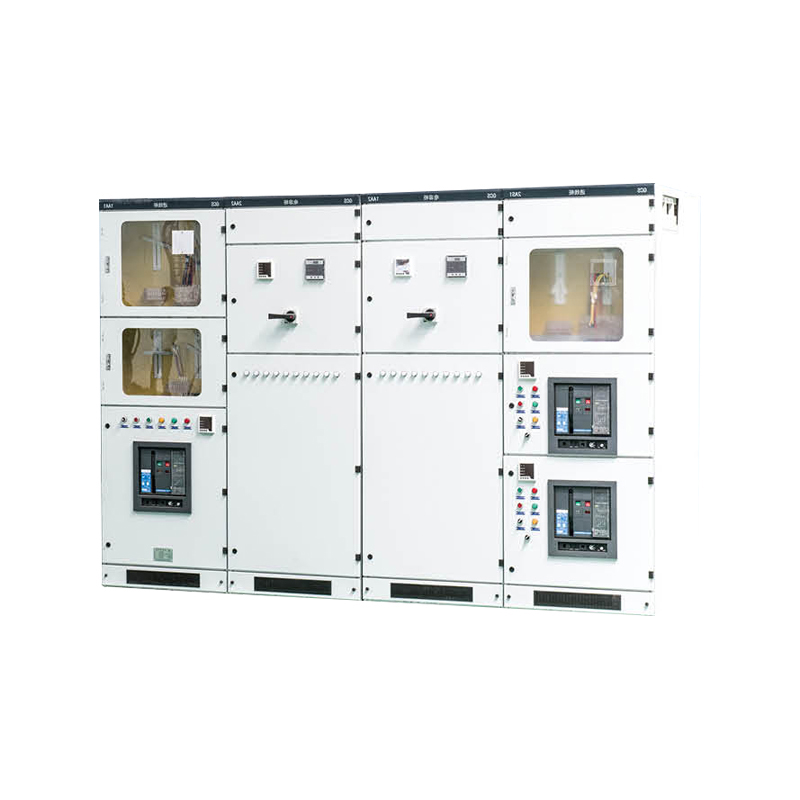
Frame Construction and Compartment Layout
The draw-out switch cabinet is built around a rigid, self-supporting steel frame that provides structural integrity and supports multiple draw-out compartments. The frame is fabricated from folded sheet steel with welded or bolted joints, forming a modular structure that can be configured for different numbers and sizes of draw-out units. The compartments are arranged vertically in columns, with each compartment sized to accommodate a specific breaker frame size and rating. The cabinet includes top and bottom cable entry zones, allowing for either overhead or underground cable connections, and the frame is designed to withstand short-circuit forces and seismic loads with bracing at strategic locations. A durable powder coating protects the frame against corrosion.
The modular design allows for future expansion by adding additional sections without replacing the entire cabinet. Each compartment includes guide rails that ensure smooth insertion and withdrawal of the draw-out unit, with stops that prevent over-travel. The cabinet also includes a grounding system that bonds the frame and all metallic parts to ensure safety.
Racking Mechanism and Position Control
Each draw-out unit is mounted on an extendable carriage that travels along guide rails, with a racking screw mechanism providing smooth, controlled movement between positions. The racking handle engages with the mechanism to move the unit between connected, test, and disconnected positions, with the handle stored on the cabinet door when not in use. The mechanism includes:
- A torque-limiting feature that prevents over-racking and protects contacts from damage;
- Position indicators showing connected, test, and disconnected status;
- Locking provisions that secure the unit in each position;
- Mechanical interlocks that prevent operation in incorrect sequences.
The racking mechanism is designed for easy operation, requiring small physical effort even for heavy breaker units. The handle is removable to prevent unauthorized operation.
Primary and Secondary Contact Systems
The draw-out unit connects to the fixed busbars through primary disconnecting contacts and secondary control contacts. The primary contacts are heavy-duty finger clusters that engage with fixed busbar stabs, designed to carry full load current and withstand short-circuit currents. The secondary contacts consist of plug-in connectors for control and monitoring circuits. The contact system includes:
- Primary contacts with silver-plated surfaces for low resistance;
- Secondary contacts with positive engagement for reliable control;
- Self-aligning guides that compensate for slight misalignments;
- Safety shutters that cover fixed contacts when the unit is withdrawn.
The contact system is designed for multiple insertion and withdrawal cycles without degradation. The shutters prevent accidental contact with live parts, and the contact engagement is verified through the position indicator.
Maintenance Access and Unit Replacement
The draw-out design provides safe and efficient access to the circuit breaker for inspection and maintenance. The unit can be withdrawn to the test position for functional testing without disconnecting the load, or fully removed for bench maintenance. A dedicated maintenance position allows the unit to be parked. Spare units can be stored and quickly inserted. The replacement procedure involves removing the unit, inserting the spare, and racking it into the connected position, all without de-energizing the main busbars.
Next
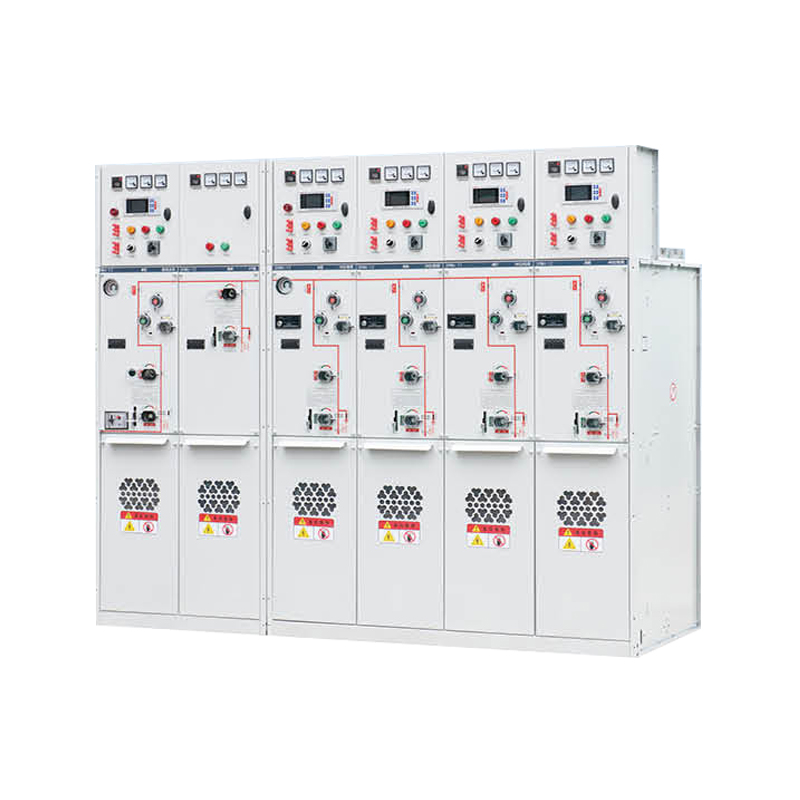
Insulated Gas-Filled Ring Main Switchgear: Compact Protection for Distribution Networks
<p>The<a href="/product/high-voltage-switchgear/" target="_blank"> i...
View More


- PRODUCTS
- New Energy Power Distribution Equipment
- Box Type Substation
- Cable Branch Box/Switch Station
- High Voltage Switchgear
- Low Voltage Switchgear
- Engineering Vacuum Circuit Breaker
- New Energy Vehicle Floor Charging Pile
- Commercial Energy Storage
- Photovoltaic Complete Box
- High Voltage Arrester
- INFORMATION
-
-
Phone+86-13868788848
+86-13356188725 -
Tel+86-0577-88810567
-
E-mail
-
AddNo. 59, Youyi Road, Xinguang Industrial Zone, Liushi Town, Yueqing City, Zhejiang, China
-
- ENQUIRE WITH US
Photovoltaic Module Manufacturer

