

 English
  中文简体
中文简体  русский
  Español
  عربى
عربى 
Enhancing Power Systems with Vacuum Circuit Breaker
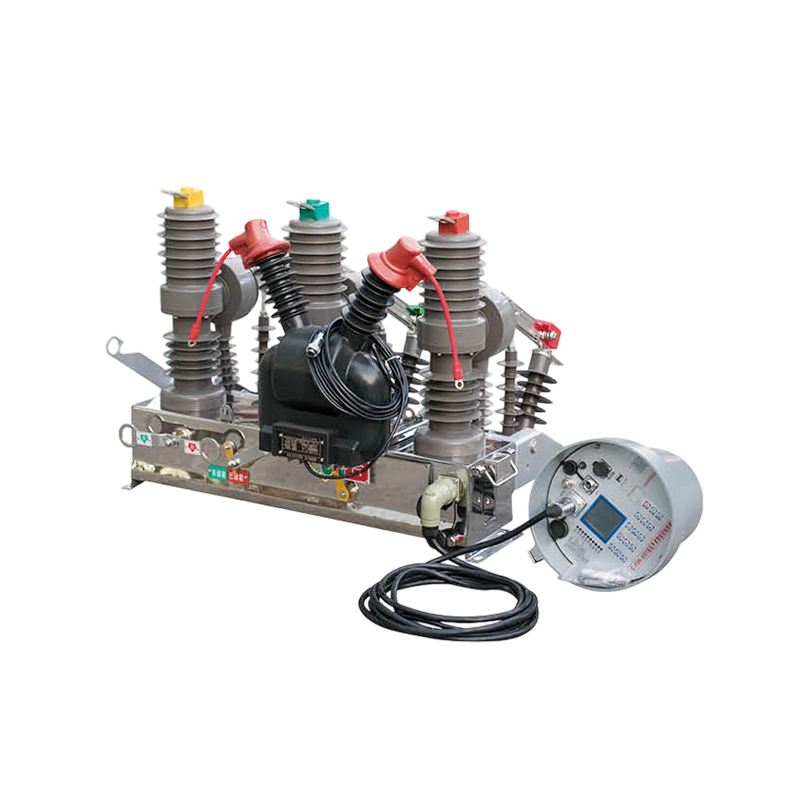
The Vacuum Circuit Breaker is increasingly recognized as a core component in modern power distribution systems, particularly where reliability, safety, and environmental responsibility matter. As utilities, industrial facilities, and renewable energy operators seek robust and low‑maintenance solutions, the appeal of vacuum‑based circuit breakers has grown in multiple sectors.
Key Advantages Driving Adoption
- Low Maintenance, Long Lifespan
Vacuum Circuit Breaker units use a sealed vacuum interrupter, eliminating the need for oil or gas refills. Their contacts can perform tens of thousands of switching operations before wear becomes significant, making them ideal for installations requiring frequent load switching or fault clearing.
- Safety and Environmental Features
Without oil or SF₆ gas, vacuum breakers avoid both flammability risk and greenhouse gas emissions. The rapid arc quenching in vacuum reduces risk of internal arcing, fire, or explosion — an important consideration in industrial plants, commercial buildings, and infrastructure projects.
- Compact Design and Space Efficiency
The relatively small, lightweight structure of VCBs enables installation even in space‑constrained environments such as compact substations, urban switchgear rooms, or retrofit projects. Their design supports efficient layout, saving valuable floor or panel space.
- Versatile Applications
Vacuum breakers serve a wide range of settings: medium‑voltage power distribution grids, industrial facilities (manufacturing, factories), renewable energy installations (solar, wind, storage), commercial buildings, and infrastructure such as transportation or data‑center power systems. Their adaptability makes them a go‑to option for many modern electrical projects.
Market Context and Industry Demand
- Growing Demand for Reliable Distribution Equipment
As electrical grids expand and upgrade — driven by growing power consumption, renewable energy integration, and infrastructure modernization — demand for durable, low‑maintenance circuit protection has increased. Vacuum Circuit Breaker fills this need, offering a balance of performance, safety, and cost‑effectiveness.
- Industrial and Utility Upgrades
Many utilities and industrial operators are replacing older oil‑ or SF₆‑based breakers with vacuum models to reduce maintenance overhead and environmental liability. This is especially true in regions implementing stricter environmental or safety regulations.
- Suitability for Renewable and Distributed Energy Projects
With more solar farms, battery storage installations, and distributed energy resources coming online, the need for reliable medium‑voltage protection and switching rises. Vacuum breakers align well with these projects’ requirements for safe, efficient, and low‑maintenance operation.
What Decision‑Makers Should Note
When considering protective devices for a new installation or upgrade, the following factors often make Vacuum Circuit Breaker an attractive option:
- Long-term reduced operational cost due to minimal maintenance and long mechanical life
- Enhanced safety and environmental compliance thanks to absence of harmful gases or flammable oils
- Flexibility and compactness enabling easier integration into varied infrastructure types
- Reliable performance under frequent switching, load changes, and power distribution demands
- Broad applicability: from utility substations to industrial plants, renewable energy sites, and modern buildings
Conclusion
As demands on power distribution systems evolve — with increasing load, environmental awareness, renewable energy integration, and infrastructure upgrades — the Vacuum Circuit Breaker continues to emerge as an effective and practical solution. Its combination of long-term reliability, safety, environmental friendliness, and adaptability offers a strong value proposition for utilities, businesses, and infrastructure developers looking for dependable circuit protection now and in the future.
Next
New Energy Storage Photovoltaic Cabin Supports Solar Applications
<p>The <strong><a href="https://www.hp-electric.com/product/new-energy-power-dis...
View More


- PRODUCTS
- New Energy Power Distribution Equipment
- Box Type Substation
- Cable Branch Box/Switch Station
- High Voltage Switchgear
- Low Voltage Switchgear
- Engineering Vacuum Circuit Breaker
- New Energy Vehicle Floor Charging Pile
- Commercial Energy Storage
- Photovoltaic Complete Box
- High Voltage Arrester
- INFORMATION
-
-
Phone+86-13868788848
+86-13356188725 -
Tel+86-0577-88810567
-
E-mail
-
AddNo. 59, Youyi Road, Xinguang Industrial Zone, Liushi Town, Yueqing City, Zhejiang, China
-
- ENQUIRE WITH US
Photovoltaic Module Manufacturer

