

 English
  中文简体
中文简体  русский
  Español
  عربى
عربى 
How to Install Underground Ip68 Protection Cable Docking Box Safely?
Work involving underground electrical systems often requires careful coordination between protection design and on-site practices. When combining an Underground Ip68 Protection Cable Docking Box with a Mobile Energy Storage Charging Pile, installation quality directly affects long-term operation, safety, and maintenance efficiency. These systems are commonly used in outdoor charging infrastructure, temporary power distribution, and industrial environments where moisture, dust, and mechanical stress are present.
A well-planned installation process helps reduce water ingress risks, prevents cable damage, and ensures stable electrical connections. The following sections explain practical considerations and step-by-step insights for safe and effective implementation.
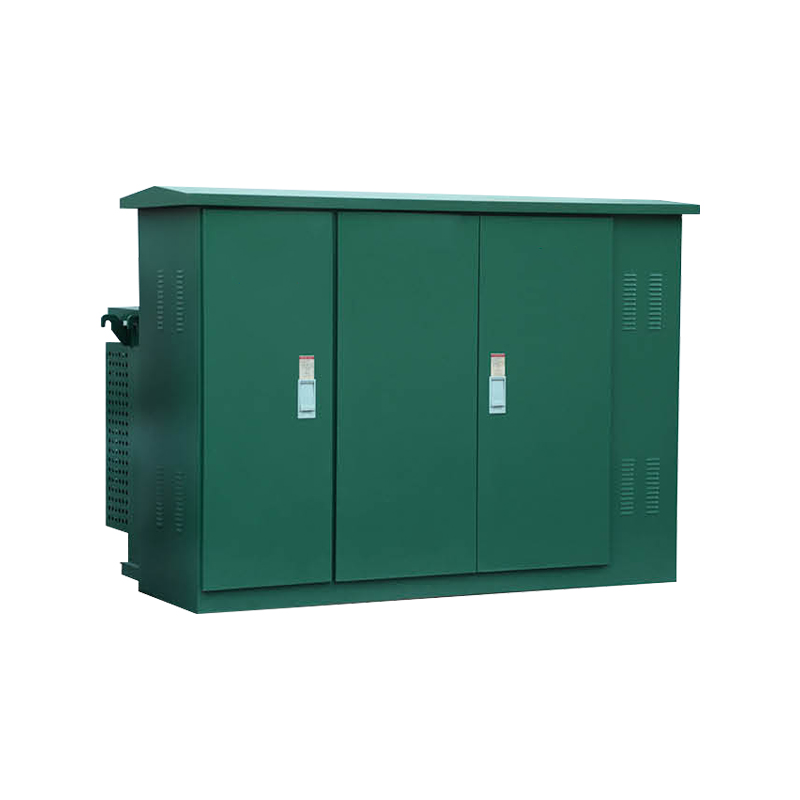
Site Conditions Before Installation
Before any physical work begins, evaluating the installation environment is essential. Underground cable docking systems are exposed to variables such as soil composition, groundwater level, and surface load conditions. Ignoring these factors may result in structural deformation or sealing failure over time.
For example, clay-heavy soil retains moisture, increasing the likelihood of water accumulation around the enclosure. In contrast, sandy soil allows better drainage but may shift more easily, affecting the stability of the box. Areas with frequent vehicle movement require additional load-bearing considerations to prevent pressure damage.
It is also necessary to confirm the routing path of cables connecting to the mobile energy storage charging pile. The distance, bending radius, and entry angles influence how cables are positioned inside the docking box. Planning these aspects early helps avoid unnecessary rework during installation.
Preparing the Foundation and Excavation Area
The stability of the underground docking box depends heavily on the foundation.
Start by marking the installation location according to design drawings. Excavation should provide enough space not only for the box itself but also for cable routing and sealing operations. The depth must account for the height of the docking box, a base layer, and surface covering materials.
A compacted gravel or sand layer is commonly used as the base. This layer improves drainage and helps distribute weight more evenly. In areas where water accumulation is expected, adding a drainage channel or perforated pipe can help redirect moisture away from the enclosure.
Once the base is prepared, the docking box should be positioned carefully to maintain level alignment. Even a slight tilt may affect sealing performance or cable entry alignment.
Key Installation Steps That Should Not Be Overlooked
To ensure a safe and consistent installation process, several practical steps should be followed during assembly and cable connection:
Seal inspection before placement
Check the sealing rings and gasket surfaces for any visible defects, dust, or deformation. Clean surfaces help maintain the intended protection level.
Cable preparation and routing
Strip and prepare cables according to specifications, ensuring that insulation remains intact. Avoid sharp bends or excessive tension during routing.
Proper tightening sequence
When closing the docking box, tighten bolts evenly in a cross pattern. This helps distribute pressure across the sealing surface and reduces the chance of gaps.
Waterproof connector installation
Use compatible cable glands and ensure they are tightened to the recommended torque. Loose fittings may allow moisture to enter over time.
Grounding and bonding
Confirm that grounding connections are properly installed to maintain electrical safety, especially when connected to a mobile energy storage charging pile.
These steps, while straightforward, play a significant role in maintaining consistent performance in outdoor conditions.
Integrating with Mobile Energy Storage Charging Pile Systems
The connection between the underground docking box and the mobile energy storage charging pile requires careful coordination. These charging systems are often used in temporary or semi-permanent setups, meaning flexibility and durability are both important.
Cable length and routing should allow for movement or repositioning of the charging unit without placing stress on the underground connections. Using protective conduits or flexible cable sleeves can help reduce wear caused by repeated handling.
Electrical compatibility is another important factor. Voltage levels, current capacity, and connector types must match between the docking box and the charging pile.
In addition, the layout should consider future access. Even though the docking box is installed underground, maintenance personnel should be able to reach it without extensive excavation. Installing access covers or marking the location clearly can simplify future inspections.
Next
Why Are Modular Photovoltaic Cabins Useful In Disaster Relief Scenarios?
<p>Rapid access to electricity is often critical during disaster relief operations. <a href...
View More


- PRODUCTS
- New Energy Power Distribution Equipment
- Box Type Substation
- Cable Branch Box/Switch Station
- High Voltage Switchgear
- Low Voltage Switchgear
- Engineering Vacuum Circuit Breaker
- New Energy Vehicle Floor Charging Pile
- Commercial Energy Storage
- Photovoltaic Complete Box
- High Voltage Arrester
- INFORMATION
-
-
Phone+86-13868788848
+86-13356188725 -
Tel+86-0577-88810567
-
E-mail
-
AddNo. 59, Youyi Road, Xinguang Industrial Zone, Liushi Town, Yueqing City, Zhejiang, China
-
- ENQUIRE WITH US
Photovoltaic Module Manufacturer

