

 English
  中文简体
中文简体  русский
  Español
  عربى
عربى 
Why Are Modular Photovoltaic Cabins Useful In Disaster Relief Scenarios?
Rapid access to electricity is often critical during disaster relief operations. Modular Photovoltaic Cabin and Distributed Photovoltaic Power Station technologies offer practical solutions for providing on-site power where conventional infrastructure has been damaged or is unavailable. These systems can be deployed quickly, supplying electricity to essential services, communication devices, temporary shelters, and medical facilities, helping relief teams maintain operations efficiently under challenging conditions.
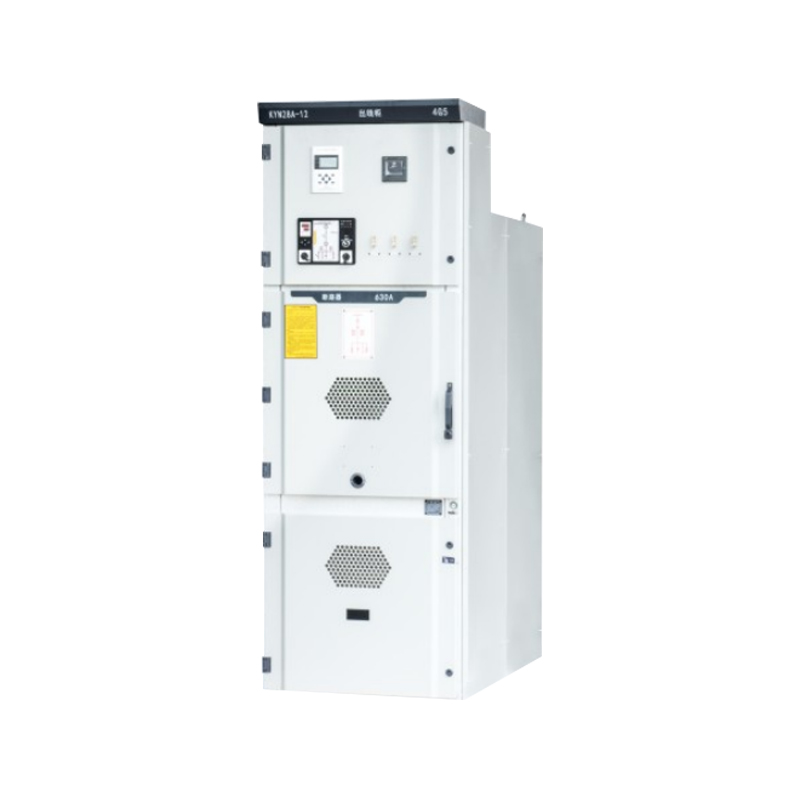
Applications in Disaster Relief
Modular Photovoltaic Cabins can serve a variety of functions in disaster scenarios. They provide energy for emergency communication networks, support water purification systems, and power temporary medical clinics. Relief operations often require mobility, and these cabins can be transported to areas with limited road access or damaged infrastructure. Distributed Photovoltaic Power Stations complement this approach by enabling local energy production across multiple sites, allowing for shared or coordinated energy management among relief teams. The modular nature of these systems makes it possible to add or relocate units based on evolving needs or the scale of the disaster.
Practical Features Supporting Rapid Deployment
Several design features make Modular Photovoltaic Cabins suitable for disaster response:
- Transportable units – Can be moved with standard vehicles to reach remote or damaged areas.
- Quick assembly – Pre-assembled or modular design allows immediate installation on-site.
- Compact footprint – Requires limited space, which is useful in constrained or disrupted environments.
- Integrated storage – Built-in batteries store energy for use when sunlight is insufficient.
- Scalable capacity – Multiple units can be combined to meet higher energy needs or disconnected when no longer required.
These features allow relief organizations to establish temporary power stations quickly, ensuring critical operations remain supported even in locations without grid access.
Integration with Relief Operations
Distributed Photovoltaic Power Stations can be coordinated with Modular Photovoltaic Cabins to extend electricity supply across larger areas or multiple sites. For example, field hospitals, command centers, and supply hubs can each have independent units while still sharing energy through portable microgrids. This approach reduces the need for fuel-based generators, lowers logistical requirements, and allows relief teams to maintain energy availability over extended periods. Units can be redeployed as disaster zones evolve, supporting dynamic operational planning.
Monitoring and Operational Management
Effective deployment requires monitoring energy production and consumption, especially in disaster relief where operational conditions can change rapidly. Modular Photovoltaic Cabins often include monitoring systems that allow teams to:
- Track energy output and consumption in real time.
- Schedule maintenance or reposition units as needed.
- Ensure critical devices receive electricity when demand peaks.
The standardized components simplify maintenance tasks such as panel cleaning, battery checks, and connection inspections, which is particularly important in temporary or emergency environments with limited technical staff. These design considerations allow relief operations to maintain consistent energy access without requiring complex technical intervention.
Environmental and Site Adaptation
Disaster sites often present environmental challenges, such as debris, uneven terrain, or variable weather conditions. Modular Photovoltaic Cabins are designed to be adaptable: adjustable mounting structures allow panels to receive sufficient sunlight, and protective enclosures help prevent damage from wind, rain, or local hazards. Their flexible placement makes it possible to deploy units on rooftops, open spaces, parking areas, or temporary staging zones. Such adaptability ensures energy production remains steady even under unpredictable conditions, supporting relief operations continuously.
Practical and Logistical Benefits
Using Modular Photovoltaic Cabins and Distributed Photovoltaic Power Stations in disaster relief reduces the dependency on fuel-based generators and complicated grid connections. On-site energy production simplifies logistics, allowing teams to focus on critical relief activities rather than managing fuel supply chains. Modular deployment permits units to be scaled, moved, or redeployed according to evolving requirements, making them suitable for short-term missions or prolonged disaster recovery efforts. By combining energy storage, monitoring, and flexible placement, relief teams can maintain electricity supply for communication, medical care, lighting, and essential equipment, even in the challenging environments.
Modular Photovoltaic Cabins and Distributed Photovoltaic Power Stations together create a practical framework for providing electricity during disaster relief. Their mobility, modular design, and adaptable placement allow relief teams to maintain operational continuity, respond to changing needs, and ensure energy availability in areas where conventional power infrastructure is disrupted. These systems offer a scalable and flexible solution for supporting essential services in unpredictable or rapidly evolving situations, enabling teams to focus on critical relief tasks with energy resources effectively managed.
Next
Where Can Distributed Photovoltaic Power Station Optimize Industrial Energy Consumption?
<p>Industrial facilities face increasing pressure to manage electricity efficiently while main...
View More


- PRODUCTS
- New Energy Power Distribution Equipment
- Box Type Substation
- Cable Branch Box/Switch Station
- High Voltage Switchgear
- Low Voltage Switchgear
- Engineering Vacuum Circuit Breaker
- New Energy Vehicle Floor Charging Pile
- Commercial Energy Storage
- Photovoltaic Complete Box
- High Voltage Arrester
- INFORMATION
-
-
Phone+86-13868788848
+86-13356188725 -
Tel+86-0577-88810567
-
E-mail
-
AddNo. 59, Youyi Road, Xinguang Industrial Zone, Liushi Town, Yueqing City, Zhejiang, China
-
- ENQUIRE WITH US
Photovoltaic Module Manufacturer

