

 English
  中文简体
中文简体  русский
  Español
  عربى
عربى 
Why Integrated Photovoltaic Inverter Helps Balance Distributed Energy Loads
Distributed energy systems are becoming more common in industrial facilities, commercial buildings, and regional power projects where electricity demand changes throughout the day. Integrated Photovoltaic Inverter technology is increasingly used to coordinate solar generation, load distribution, and grid interaction under these changing operating conditions. At the same time, the Vacuum Circuit Breaker remains an important part of renewable distribution systems because switching protection and fault isolation are necessary when multiple energy sources operate together.
Power systems connected with photovoltaic generation no longer depend entirely on one-way electricity transmission. Solar panels, battery storage systems, local loads, and utility grids now interact continuously. Because of this shift, energy balancing has become a practical issue for engineers, facility operators, and electrical contractors working on distributed power networks.
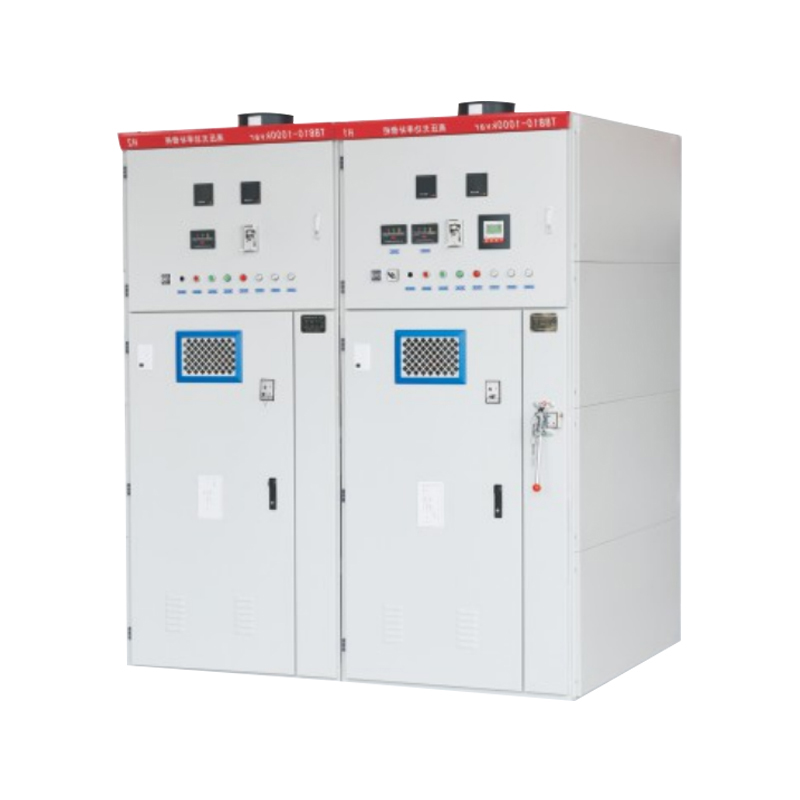
Growing Pressure on Distributed Energy Networks
Electricity demand patterns in industrial and commercial environments are no longer stable across fixed operating hours. Manufacturing lines may run in shifts, office buildings experience daytime peaks, and charging systems for electric vehicles can create temporary load increases. Meanwhile, photovoltaic generation changes according to weather conditions and sunlight availability.
Without coordinated control, distributed energy systems may experience:
- Uneven load distribution between feeders
- Voltage fluctuation during sudden generation changes
- Reverse power flow toward the utility grid
- Increased switching frequency
- Temporary overload on local distribution equipment
- Coordination challenges between renewable generation and traditional loads
These operating conditions have encouraged more facilities to adopt integrated inverter systems capable of monitoring energy flow in real time. Instead of simply converting DC power into AC output, modern photovoltaic inverter systems are increasingly involved in load balancing, grid synchronization, and communication with other electrical devices inside the network.
The changing structure of energy distribution also affects protection equipment. As multiple generation points connect to the same network, switching devices such as vacuum circuit breakers are used to isolate faults and support maintenance procedures without interrupting the entire electrical system.
How Integrated Inverter Systems Support Load Balancing
An Integrated Photovoltaic Inverter combines power conversion functions with monitoring, communication, and energy management capabilities. These systems help regulate how solar-generated electricity is distributed between local consumption, storage systems, and utility grid export.
Traditional photovoltaic systems mainly focused on converting solar energy into usable AC power. Newer integrated systems are designed to interact with broader electrical infrastructure, including smart meters, energy management platforms, and battery storage units.
Several operational functions commonly found in integrated inverter systems include:
|
Function |
Practical Role in Distributed Energy Systems |
|
DC to AC conversion |
Supplies usable electricity to local loads |
|
Grid synchronization |
Coordinates voltage and frequency with utility supply |
|
Load monitoring |
Tracks real-time energy consumption |
|
Export control |
Regulates power sent back to the grid |
|
Battery coordination |
Manages charging and discharging behavior |
|
Remote communication |
Connects with monitoring and management platforms |
These functions help reduce sudden imbalance between generation and consumption inside distributed energy systems. For example, when solar generation rises during midday hours, the inverter may direct electricity toward facility loads before exporting excess energy to the utility network.
When generation drops due to cloud coverage or evening conditions, the system can adjust energy flow by drawing electricity from the grid or battery storage systems. This balancing process helps facilities maintain stable operation across varying energy conditions.
Coordination Between Inverters and Protection Equipment
As distributed energy systems become more connected, electrical protection coordination becomes increasingly important. Renewable installations often include multiple inverter groups, transformers, switchgear cabinets, and feeder circuits operating simultaneously.
The Vacuum Circuit Breaker supports this structure by providing switching and interruption capability during abnormal electrical conditions. When faults occur in one section of the system, protection relays communicate with the breaker to isolate affected equipment while allowing other sections to continue operating when possible.
This coordination is particularly important because inverter-based systems can behave differently from traditional rotating generators. Short-circuit characteristics, fault current duration, and switching behavior may vary depending on inverter configuration and grid conditions.
Several practical coordination tasks include:
- Disconnecting faulty feeder sections
- Supporting maintenance isolation procedures
- Protecting transformer connections
- Coordinating with the inverter shutdown logic
- Managing switching operations during grid disturbances
Vacuum-based switching technology is frequently selected for renewable distribution systems because it supports repeated operation cycles and compact equipment arrangements commonly used in photovoltaic installations.
Typical Application Environments
Integrated photovoltaic systems are now installed across a wide range of facilities where energy management and distributed generation are becoming part of daily operations.
Industrial production sites use photovoltaic systems to offset daytime electricity demand from machinery, conveyors, ventilation equipment, and automation systems. Since energy usage can change rapidly during production cycles, integrated inverter systems help manage fluctuating load conditions.
Commercial buildings also use distributed solar generation to support lighting systems, elevators, air conditioning equipment, and office infrastructure. In these environments, coordinated inverter control can help reduce sudden load variation during peak operating periods.
Common application areas include:
|
Application Environment |
Operational Focus |
|
Manufacturing facilities |
Managing daytime production loads |
|
Logistics centers |
Supporting warehouse equipment and lighting |
|
Commercial buildings |
Coordinating HVAC and office electricity demand |
|
Agricultural systems |
Balancing irrigation and pumping loads |
|
EV charging stations |
Managing charging demand with solar generation |
|
Container energy stations |
Integrating storage and distributed supply |
In some utility-connected renewable projects, inverter systems are also integrated with battery storage equipment to improve energy scheduling during periods of changing generation and consumption.
Next
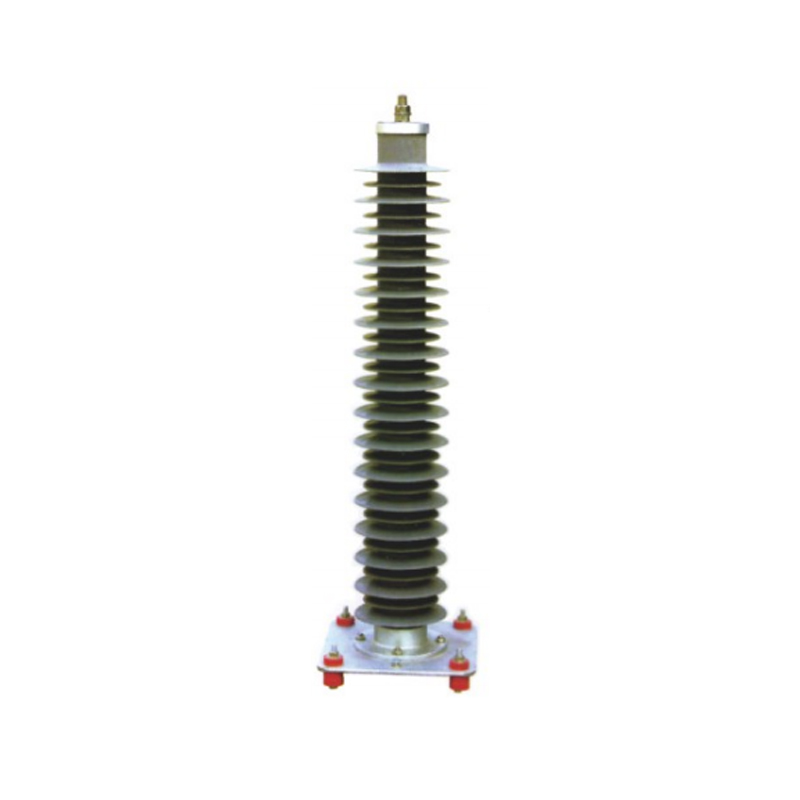
Vacuum Circuit Breaker: Expands Protection for Renewable Distribution Systems
<p><a href="/product/new-energy-power-distribution-equipment/" target="_blan...
View More


- PRODUCTS
- New Energy Power Distribution Equipment
- Box Type Substation
- Cable Branch Box/Switch Station
- High Voltage Switchgear
- Low Voltage Switchgear
- Engineering Vacuum Circuit Breaker
- New Energy Vehicle Floor Charging Pile
- Commercial Energy Storage
- Photovoltaic Complete Box
- High Voltage Arrester
- INFORMATION
-
-
Phone+86-13868788848
+86-13356188725 -
Tel+86-0577-88810567
-
E-mail
-
AddNo. 59, Youyi Road, Xinguang Industrial Zone, Liushi Town, Yueqing City, Zhejiang, China
-
- ENQUIRE WITH US
Photovoltaic Module Manufacturer

