

 English
  中文简体
中文简体  русский
  Español
  عربى
عربى 
New Energy Storage Photovoltaic Cabin Manufacturer: The Enclosure That Protects the Power
Solar panels generate electricity. Batteries store it. The space between them, the inverter, the charge controller, the switchgear, and the wiring, all of it has to live somewhere. That somewhere is a photovoltaic storage cabin. It sits next to the solar array, in a field, on a factory roof, or behind a commercial building. Rain hits it. Dust settles on it. Temperature swings bake it and freeze it. A new energy storage photovoltaic cabin manufacturer builds the weatherproof enclosure that houses the electrical equipment and keeps it running. The cabin itself is a structural, thermal, and safety system. Get it wrong and the equipment inside fails regardless of how good the batteries and inverters are.
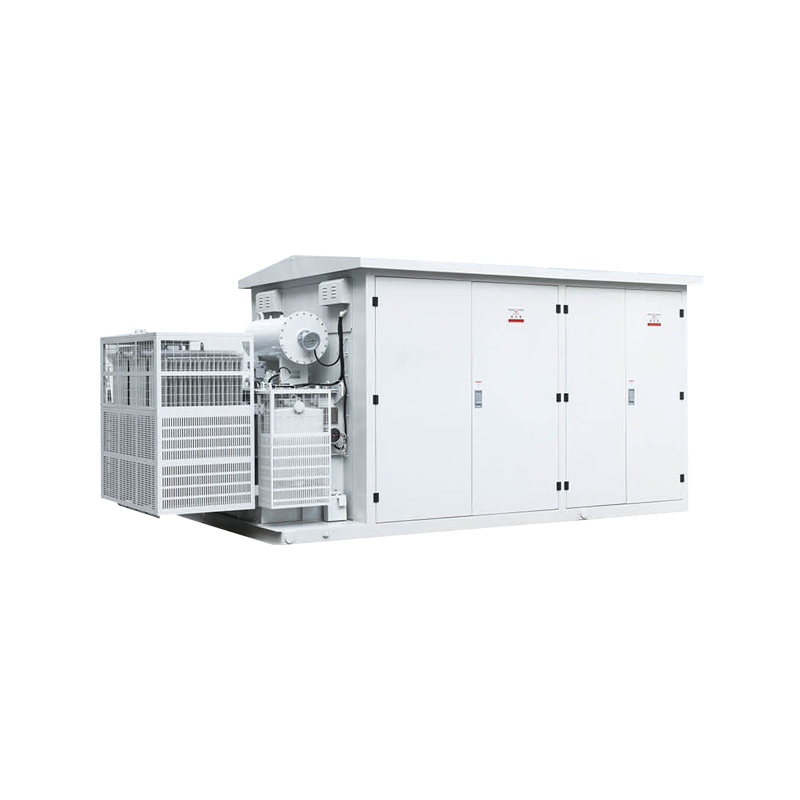
The Structure That Stands Outside Year-Round
A photovoltaic cabin lives outdoors. It has no building around it for protection. The walls and roof take direct sun, wind load, rain, and in some regions, snow accumulation. A new energy storage photovoltaic cabin manufacturer builds the cabin from galvanized steel or aluminum frame profiles with sandwich panel walls. The panels typically use a polyurethane or rock wool core between metal skins for insulation and structural rigidity.
The roof design prevents water pooling. Flat roofs collect water and eventually leak. A sloped roof or a roof with a slight crown sheds water to the edges. A new energy storage photovoltaic cabin manufacturer that designs the roof with overhanging eaves protects the wall panels and the door seals from direct rain exposure. Water running down the wall finds the door gap. Water directed away from the wall by an eave does not.
Snow load rating matters in markets with winter conditions. The roof structure has to support the weight of accumulated snow without deflecting. A new energy storage photovoltaic cabin manufacturer calculates the roof load rating for the target installation region and reinforces the frame accordingly. A cabin roof that collapses under snow destroys the equipment inside and creates a safety hazard.
Thermal Management Inside a Metal Box
Electrical equipment generates heat. Batteries are especially sensitive to temperature. They lose capacity in the cold and degrade faster in the heat. A sealed metal box sitting in direct sunlight becomes an oven without ventilation or cooling.
A new energy storage photovoltaic cabin manufacturer integrates thermal management into the cabin design. Passive ventilation uses intake and exhaust louvers positioned to create natural airflow. The louvers have insect screens and rain hoods so airflow happens without inviting pests or water inside. Active cooling adds fan-forced ventilation or air conditioning units mounted through the cabin wall. The cooling capacity is sized to the heat load of the equipment inside plus the solar gain on the cabin exterior.
Insulation works in both directions. It keeps heat out during the day and keeps warmth in during cold nights when the batteries need to stay above their small operating temperature. A new energy storage photovoltaic cabin manufacturer using rock wool or polyurethane insulated panels maintains a more stable internal temperature with less energy spent on active heating or cooling.
Condensation is the hidden problem in sealed enclosures. Warm air inside meets cold wall panels and water droplets form. That water drips onto electrical equipment. A new energy storage photovoltaic cabin manufacturer includes ventilation design or a dehumidification strategy to prevent condensation buildup inside the cabin.
Equipment Layout and Access
The cabin is not an empty box. It houses inverters, battery racks, DC combiner boxes, AC distribution panels, and the wiring that connects everything. A new energy storage photovoltaic cabin manufacturer designs the internal layout for equipment placement, cable routing, and service access.
Cable entry points come through the floor or the lower wall via weatherproof cable glands. Top entry invites water. Bottom entry with proper sealing keeps the cables accessible and the weather out. A new energy storage photovoltaic cabin manufacturer positions cable entry points near the equipment they serve so cable runs are short and organized.
The door opening and internal aisle width have to allow equipment installation and replacement. A battery rack or an inverter cabinet needs to fit through the door and slide into position. A new energy storage photovoltaic cabin manufacturer that designs the door dimensions and internal clearances around the expected equipment sizes prevents the discovery that a replacement inverter cannot be maneuvered into the cabin without removing a wall panel.
Safety systems go inside the cabin alongside the power equipment. Fire suppression, smoke detection, emergency lighting, and an emergency stop button are standard on storage cabins. A new energy storage photovoltaic cabin manufacturer integrates the mounting points and wiring paths for these systems into the cabin design.
Here is what a photovoltaic storage cabin needs to function as an outdoor equipment enclosure:
- Galvanized steel or aluminum frame with insulated sandwich panel construction
- Sloped or crowned roof with overhanging eaves for water shedding
- Passive or active ventilation sized to the internal heat load plus solar gain
- Cable entry through weatherproof bottom glands, not top penetrations
- Door dimensions and internal layout designed for equipment installation and service
What Separates a Cabin That Protects from One That Traps Problems
Water ingress is the failure that destroys everything inside. A new energy storage photovoltaic cabin manufacturer tests the completed cabin for water tightness, not just the individual panels. The door seals, the roof seams, the panel joints, and the cable entry points all get verified as a system. A cabin that leaks at a single seam is a cabin that fails.
Corrosion protection on the steel frame and fasteners determines how long the cabin stands. A new energy storage photovoltaic cabin manufacturer using hot-dip galvanized steel or powder-coated aluminum for the frame and stainless steel fasteners throughout builds a cabin that does not rust at the joints. Coastal installations with salt spray accelerate corrosion. The material choice has to match the environment.
A new energy storage photovoltaic cabin sits in the weather, keeping the power conversion and storage equipment dry, cool, and secure. The solar array captures the energy. The batteries store it. The cabin protects the system that makes both of them useful. Choose a manufacturer that builds the structure for the environment, manages the internal temperature, and lays out the interior for the equipment that goes inside. The power will flow because the cabin did its job. That is the whole reason it stands there.
Next
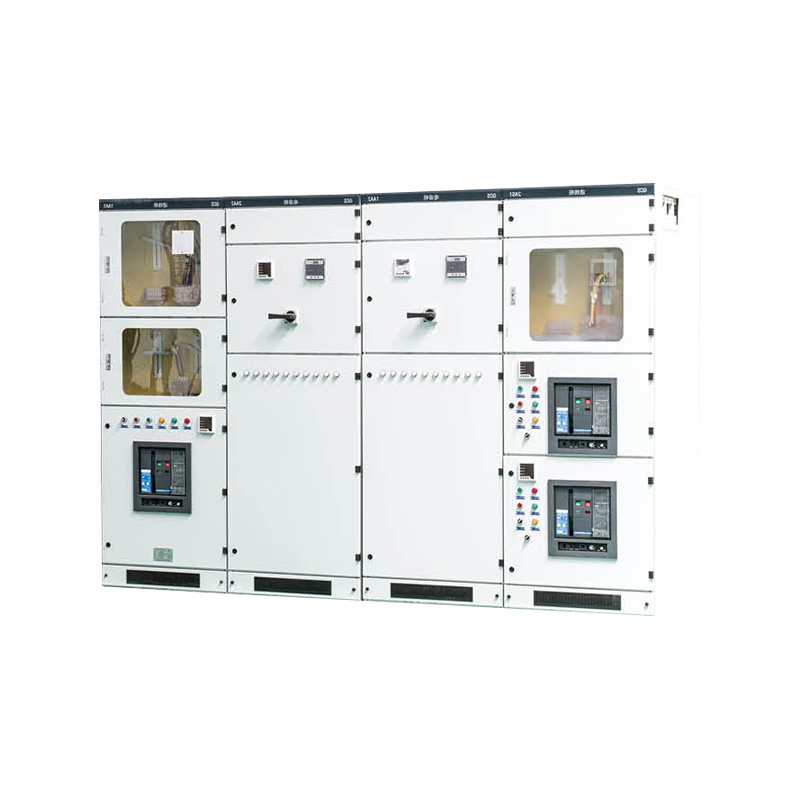
Draw-Out Switch Cabinet: Flexible Protection for Low-Voltage Systems
<p>The <a href="/product/low-voltage-switchgear/" target="_blank">dr...
View More


- PRODUCTS
- New Energy Power Distribution Equipment
- Box Type Substation
- Cable Branch Box/Switch Station
- High Voltage Switchgear
- Low Voltage Switchgear
- Engineering Vacuum Circuit Breaker
- New Energy Vehicle Floor Charging Pile
- Commercial Energy Storage
- Photovoltaic Complete Box
- High Voltage Arrester
- INFORMATION
-
-
Phone+86-13868788848
+86-13356188725 -
Tel+86-0577-88810567
-
E-mail
-
AddNo. 59, Youyi Road, Xinguang Industrial Zone, Liushi Town, Yueqing City, Zhejiang, China
-
- ENQUIRE WITH US
Photovoltaic Module Manufacturer

