

 English
  中文简体
中文简体  русский
  Español
  عربى
عربى 
How Vacuum Circuit Breaker Supports Safer Medium-Voltage Equipment Operation
Integrated Photovoltaic Inverter systems and Vacuum Circuit Breaker devices are increasingly used together in modern medium-voltage distribution networks to support coordinated energy conversion and protection. This article explains how vacuum interruption technology contributes to safer operation conditions in medium-voltage equipment environments, especially where photovoltaic generation and grid interaction occur within the same electrical system.
As distributed energy systems expand, medium-voltage networks are required to manage bidirectional power flow, inverter-based generation behavior, and frequent switching activities. These changes have increased the importance of protection devices that can handle fault interruption and system isolation without affecting surrounding circuits unnecessarily.
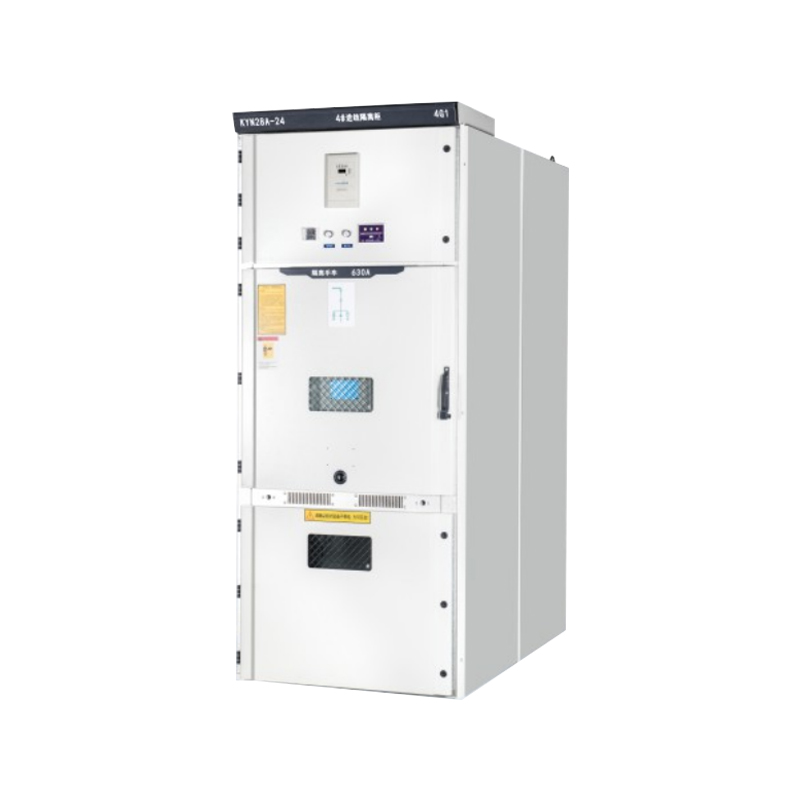
Operational Pressure in Medium-Voltage Renewable Networks
Medium-voltage equipment used in renewable energy distribution is no longer operating under a single-direction power flow model. Integrated Photovoltaic Inverter systems introduce variable output patterns that depend on sunlight conditions, grid demand, and energy storage coordination. This results in a more dynamic electrical environment compared with traditional centralized power supply structures.
In practical operation, several challenges are commonly observed:
- Fluctuating current levels caused by inverter-based generation
- Reverse power flow during peak solar production
- Switching stress during grid connection and disconnection
- Fault coordination between multiple distributed feeders
- Increased number of switching operations in daily cycles
- Coordination between renewable sources and utility grid protection
Medium-voltage switchgear must respond to these conditions while maintaining isolation capability during fault events. Without coordinated protection, a disturbance in one feeder can propagate into other parts of the system, affecting overall distribution stability.
Another important factor is the interaction between photovoltaic inverters and protection systems. Since inverters do not behave like traditional rotating generators, fault current characteristics can differ in duration and magnitude, requiring protection devices to operate with clear interruption behavior.
Technical Role of Vacuum Circuit Breaker in Medium-Voltage Systems
A Vacuum Circuit Breaker uses a sealed vacuum interrupter chamber to extinguish electrical arcs during switching or fault interruption. When current is interrupted, the arc formed between contacts is quickly extinguished due to the low-pressure environment inside the chamber.
In medium-voltage applications, this structure is used to support controlled switching and fault isolation in networks that include photovoltaic generation, transformers, and distribution feeders.
Key technical characteristics include:
|
Component / Function |
Operational Role |
|
Vacuum interrupter chamber |
Supports arc extinction during current interruption |
|
Spring or magnetic actuator |
Provides mechanical switching force |
|
Insulation structure |
Maintains separation between live parts and enclosure |
|
Control interface |
Connects with protection relays and inverter systems |
|
Auxiliary contacts |
Sends status signals to monitoring systems |
In systems that include Integrated Photovoltaic Inverter units, the vacuum circuit breaker is often coordinated with protection relays to isolate faults while allowing unaffected sections of the network to continue operating.
A typical operation sequence in medium-voltage renewable networks:
- Monitoring system detects abnormal current or voltage conditions
- Protection relay evaluates fault characteristics
- Signal is sent to circuit breaker control system
- Vacuum circuit breaker interrupts the affected circuit
- Remaining network continues operation if conditions allow
- Faulted section is isolated for inspection and maintenance
This coordination helps maintain structured operation in distributed energy environments where multiple power sources interact continuously.
Application in Photovoltaic-Integrated Medium-Voltage Networks
Medium-voltage switchgear with vacuum interruption is widely used in solar farms, commercial renewable installations, and industrial energy systems where photovoltaic inverters are connected to local distribution networks.
In solar power plants, multiple inverter clusters feed electricity into step-up transformers connected to medium-voltage switchgear. The vacuum circuit breaker is installed at feeder points to manage switching between generation units and grid connection points.
In industrial environments, rooftop or ground-mounted photovoltaic systems are often integrated with existing electrical infrastructure. These systems require coordination between inverter output and facility loads such as motors, HVAC systems, lighting, and automation equipment.
Common application scenarios include:
|
Application Area |
Role of Medium-Voltage Protection |
|
Solar power stations |
Feeder protection and grid connection switching |
|
Industrial facilities |
Coordination between PV generation and plant loads |
|
Commercial buildings |
Distribution control for rooftop solar systems |
|
Energy storage systems |
Switching between grid, storage, and PV supply |
|
Microgrid systems |
Isolation and reconfiguration of power sources |
In these environments, integrated inverter systems continuously adjust power output, while vacuum circuit breakers manage protection boundaries between different sections of the electrical network.
FAQ
Q1. What is the role of a Vacuum Circuit Breaker in photovoltaic systems?
It is used to interrupt electrical current during faults and support safe switching operations in medium-voltage distribution networks connected to photovoltaic generation systems.
Q2: How does an Integrated Photovoltaic Inverter interact with protection equipment?
The inverter adjusts power output based on load and grid conditions, while protection equipment isolates faults and manages switching between system sections.
Q3: Why are vacuum interrupters used in medium-voltage applications?
They provide controlled arc interruption in a sealed environment, which supports repeated switching operations and stable fault isolation behavior.
Next
Why Integrated Photovoltaic Inverter Helps Balance Distributed Energy Loads
<p>Distributed energy systems are becoming more common in industrial facilities, commercial bu...
View More


- PRODUCTS
- New Energy Power Distribution Equipment
- Box Type Substation
- Cable Branch Box/Switch Station
- High Voltage Switchgear
- Low Voltage Switchgear
- Engineering Vacuum Circuit Breaker
- New Energy Vehicle Floor Charging Pile
- Commercial Energy Storage
- Photovoltaic Complete Box
- High Voltage Arrester
- INFORMATION
-
-
Phone+86-13868788848
+86-13356188725 -
Tel+86-0577-88810567
-
E-mail
-
AddNo. 59, Youyi Road, Xinguang Industrial Zone, Liushi Town, Yueqing City, Zhejiang, China
-
- ENQUIRE WITH US
Photovoltaic Module Manufacturer

