

 English
  中文简体
中文简体  русский
  Español
  عربى
عربى 
New Energy Storage Photovoltaic Cabin Factory: The Box That Has to Work When the Grid Doesn't
A photovoltaic cabin is not a shipping container with some batteries bolted in. It's a prefabricated power station. Solar goes in. Stored energy comes out. It sits in deserts, on industrial sites, at the edge of grids that fail when the wind blows. A new energy storage photovoltaic cabin factory builds something that has to sit there, fully assembled, and not stop for a decade.
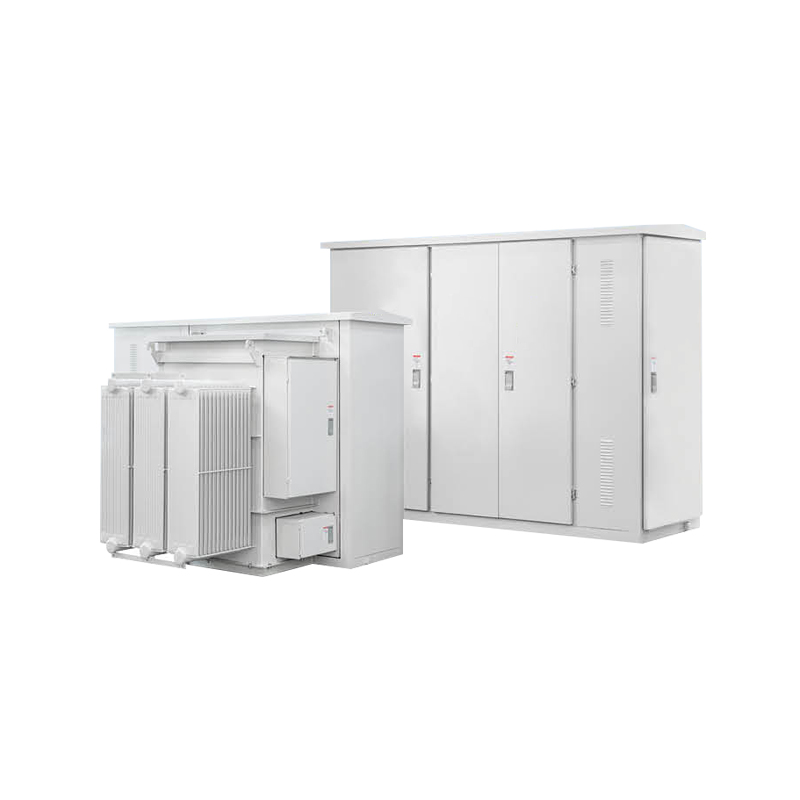
The Enclosure Is a Thermal Management Problem
Batteries hate heat. They degrade faster. In a sealed metal box under direct sun, the internal temperature can hit sixty degrees without cooling. A new energy storage photovoltaic cabin factory has to design the enclosure as an active thermal system. Insulated wall panels. Forced ventilation. Air conditioning if the battery chemistry demands it.
The cabin I saw that worked well used rock wool sandwich panels for the walls and roof. The AC unit was sized for the battery heat load plus the solar gain on the hottest day of the year. The airflow path was designed so the batteries at the back of the rack saw the same inlet temperature as the ones at the front. That's harder than it sounds. Hot spots kill cells quietly.
Ask the factory what the rated operating temperature range is, and whether they test it inside an environmental chamber or just calculate it. A test report with temperature sensors at multiple points inside the cabin during a full charge-discharge cycle is worth more than a brochure.
Integration Is the Real Product
A new energy storage photovoltaic cabin factory does not make batteries. It does not make inverters. It buys them, integrates them, and makes them work together. The value is in the integration. The battery management system talking to the inverter. The fire suppression system talking to the BMS. The HVAC talking to the energy management controller.
This is where cheap cabins fall apart. The components are fine individually. The communication between them is broken. The inverter and the BMS use different protocols. The fire system triggers on a false alarm and shuts everything down. The HVAC fights the battery thermal management instead of coordinating with it.
A new energy storage photovoltaic cabin factory that has its own integration test bay, where every cabin is powered up and run through a simulated charge-discharge cycle before shipping, is doing the work. One that assembles on the customer's site and hopes for the outstanding is not.
Fire Safety Cannot Be an Add-On
Lithium batteries burn. That's not alarmism. It's chemistry. A new energy storage photovoltaic cabin factory has to treat fire safety as a core design requirement. Gas detection. Aerosol suppression. Vent panels that direct an explosion upward instead of outward. Smoke detectors that shut down the system before thermal runaway propagates.
The cabin should be divided into compartments. If one battery module goes, the fire is contained. The adjacent modules stay operational. The suppression system should activate locally, not flood the whole cabin. Ask for the fire test report. A factory that has tested its suppression system on an actual battery fire, not just a paper design, has invested in safety.
Transport and Installation Are Part of the Design
A photovoltaic cabin ships fully assembled on a flatbed truck. That means the internal components must survive road vibration. Cable connections work loose. Battery terminals back off. A new energy storage photovoltaic cabin factory should torque all electrical connections to specification and mark them. The markings let the installer verify nothing shifted during transport.
The cabin needs lift points rated for the full weight. It needs a base frame that sits level on a concrete pad or compacted gravel. The external connections—solar input, grid output, backup load—should be clearly labelled and accessible without entering the cabin. A utility crew should be able to connect it from outside in under an hour.
What to Check
- Thermal test data at full rated power in high ambient temperature.
- Integration test report showing BMS, inverter, HVAC, and fire system communication.
- Fire suppression test on an actual cell in thermal runaway.
- Transport vibration test or a reference installation where the cabin was shipped and commissioned without internal rework.
- External connection layout with clearly marked terminals.
A new energy storage photovoltaic cabin factory selling a cheap price is selling someone else's components in a metal box. The factory selling a working system has tested that box as a complete unit, under load, in the heat, with the fire system armed. The difference shows up on the first hot afternoon when the grid is down and the cabin is the only thing keeping the lights on.
Next
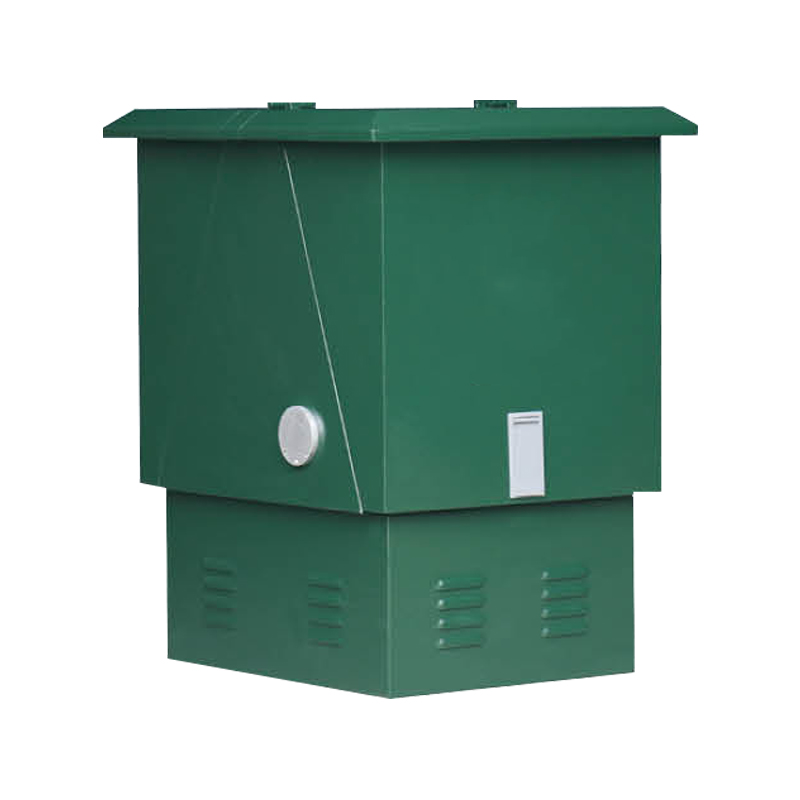
Intelligent Monitoring High Voltage Cable Distribution Box: Smart Protection for Power Networks
<p>High voltage cable distribution boxes are everywhere. They sit on concrete pads. They conne...
View More


- PRODUCTS
- New Energy Power Distribution Equipment
- Box Type Substation
- Cable Branch Box/Switch Station
- High Voltage Switchgear
- Low Voltage Switchgear
- Engineering Vacuum Circuit Breaker
- New Energy Vehicle Floor Charging Pile
- Commercial Energy Storage
- Photovoltaic Complete Box
- High Voltage Arrester
- INFORMATION
-
-
Phone+86-13868788848
+86-13356188725 -
Tel+86-0577-88810567
-
E-mail
-
AddNo. 59, Youyi Road, Xinguang Industrial Zone, Liushi Town, Yueqing City, Zhejiang, China
-
- ENQUIRE WITH US
Photovoltaic Module Manufacturer

