

 English
  中文简体
中文简体  русский
  Español
  عربى
عربى 
Outdoor Rust Proof 10kV Cable Branch Box: Power Distribution That Survives Weather
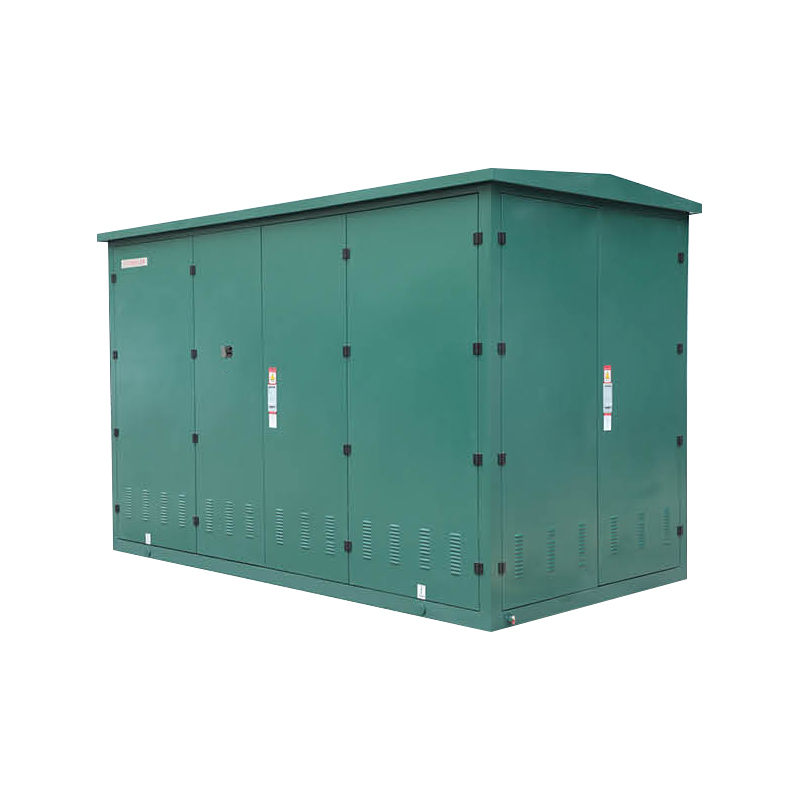
A cable branch box sits outside. Rain hits it. Snow piles on it. Road salt sprays it. Sun bakes it. Inside, high voltage cables connect and split. If the box fails, power goes out. An outdoor rust proof 10kv cable branch box is built to prevent that. The enclosure does not rust. Seals keep water out. The internal connections stay dry and safe.
What a Cable Branch Box Does at 10kV
It splits one incoming cable into multiple outgoing circuits
A 10kV feeder comes from a substation. A single cable. That cable needs to serve multiple buildings or neighborhoods. An outdoor rust proof 10kv cable branch box takes the incoming cable and branches it to two, three, or four outgoing cables. Inside, bus bars connect the cables. Insulators keep the live parts away from the box walls.
The box is not a transformer. Voltage stays at 10kV. It is just a distribution point. Like a junction box for high voltage.
It provides a point for isolation and maintenance
When a branch needs repair, the power to that branch is disconnected inside the box. The rest of the network stays live. An outdoor rust proof 10kv cable branch box has separate compartments for each branch. A technician opens the box. Disconnects the faulty branch. Closes the box. The other branches keep running.
Without branch boxes, a fault on one line would shut down the whole network.
Why Rust Proofing Matters for Outdoor Installation
Steel rusts. Stainless steel costs more. Aluminum corrodes differently.
An outdoor rust proof 10kv cable branch box needs an enclosure that lasts decades. Painted steel works indoors. Outdoors, a scratch exposes bare metal. Rust starts. The box fails.
Stainless steel is rust proof. Grade 304 is common. Grade 316 is better for coastal areas with salt spray. Stainless is expensive. Heavy. Hard to drill.
Aluminum does not rust. It oxidizes. The oxidation layer protects the metal. An outdoor rust proof 10kv cable branch box made from aluminum is lighter than stainless. Less expensive. But aluminum is softer. Dents easier.
Powder-coated steel is the middle option. The coating is thick. It resists scratches. If a scratch exposes metal, the steel can still rust. But good powder coating lasts 10 to 15 years outdoors.
Seals keep moisture out, not just rust
Rust starts with moisture. An outdoor rust proof 10kv cable branch box without good seals lets water in. The water condenses inside. Electronics fail. Bus bars corrode.
The seals need to be silicone or EPDM rubber. These materials stay flexible for years. They do not crack in cold or melt in heat.
Here is what seal material tells you:
- Silicone — good for wide temperature range, durable
- EPDM — good for outdoor use, resistant to ozone and UV
- Neoprene — okay, hardens over time
- Foam tape — cheap, fails quickly, not for permanent outdoor
Where 10kV Cable Branch Boxes Get Installed
Underground residential distribution
New neighborhoods have underground power. No overhead wires. An outdoor rust proof 10kv cable branch box sits on a concrete pad. The box is above ground. Cables come up from underground. They connect inside. Then go back down to the houses.
The box is small. About the size of a nightstand. Green or gray to blend in. Homeowners barely notice it.
Industrial and commercial sites
A factory needs power at multiple buildings. An outdoor rust proof 10kv cable branch box at the property line splits the incoming feed. One cable goes to the main plant. One to the office. One to the warehouse.
The box needs to be vandal-resistant. Padlockable. Strong enough to survive a forklift bump.
Utility distribution networks
Power companies use branch boxes at intersections. An outdoor rust proof 10kv cable branch box at a street corner feeds four directions. North, south, east, west. Each direction has its own fuse or switch.
When a tree falls on the north line, the utility opens the north branch. Power stays on for the other three directions.
What to Look for in an Outdoor Rust Proof 10kV Cable Branch Box
Enclosure material and thickness
Steel needs to be at least 1.5 millimeters thick. Stainless or powder-coated. Aluminum needs to be 2 millimeters or more.
An outdoor rust proof 10kv cable branch box with thin walls dents. The door does not seal properly. Water gets in.
IP rating for water and dust protection
IP65 is the small for outdoor electrical boxes. Dust-tight. Protected from low-pressure water jets. IP66 handles higher pressure water. IP67 is submersible. Not needed for branch boxes.
Here is what IP ratings mean:
- IP54 — dust-protected, splashing water, not for outdoor long-term
- IP65 — dust-tight, low-pressure water jets, outdoor standard
- IP66 — dust-tight, high-pressure water jets, heavy rain areas
- IP67 — dust-tight, temporary immersion, flood-prone areas
Cable entry and sealing
Cables enter through the bottom or the side. An outdoor rust proof 10kv cable branch box with bottom entry is cleaner. Water does not pool on the cable. The seal is inside the box, not exposed to weather.
Glands seal around each cable. Compression glands are standard. They squeeze a rubber ring around the cable. Water stays out.
What Goes Wrong with Cheap Branch Boxes
The enclosure rusts from the inside out
Paint looks good. But moisture gets in through a bad seal. Condensation forms inside. The bare steel interior rusts. Rust flakes fall on the bus bars. Tracking happens. A flashover occurs. Power goes out.
The door seal hardens and leaks
Cheap seals use neoprene or foam. Two years in the sun, and the seal is hard. It does not compress. Gaps form. Water enters. The box fails.
The bus bars corrode and overheat
Copper bus bars tarnish. Aluminum bus bars corrode. An outdoor rust proof 10kv cable branch box needs tin-plated or silver-plated bus bars. The plating resists corrosion. The connection stays cool.
An outdoor rust proof 10kv cable branch box is not a place to save money. It sits outside for 20 years. Rain. Snow. Heat. Cold. Salt. It needs to survive all of it.
Stainless steel or heavy powder-coated steel. IP65 small. Silicone or EPDM seals. Tin-plated bus bars. Compression cable glands.
A cheap box fails in five years. Utility crews replace it. That costs labor, equipment, and outage time. A good box lasts 20 years. The upfront cost is higher. The lifetime cost is lower.
Buy the box that survives the weather. Your customers' power depends on it.
Next
Modular Photovoltaic Cabin: Portable Power in a Pre-Built Package
<p>Solar power is not just for rooftops anymore. For remote job sites, disaster recovery zones...
View More


- PRODUCTS
- New Energy Power Distribution Equipment
- Box Type Substation
- Cable Branch Box/Switch Station
- High Voltage Switchgear
- Low Voltage Switchgear
- Engineering Vacuum Circuit Breaker
- New Energy Vehicle Floor Charging Pile
- Commercial Energy Storage
- Photovoltaic Complete Box
- High Voltage Arrester
- INFORMATION
-
-
Phone+86-13868788848
+86-13356188725 -
Tel+86-0577-88810567
-
E-mail
-
AddNo. 59, Youyi Road, Xinguang Industrial Zone, Liushi Town, Yueqing City, Zhejiang, China
-
- ENQUIRE WITH US
Photovoltaic Module Manufacturer

